Cover Site Prep & Utilities: The San Jose Owner’s Guide
If your Cover unit’s site prep or utility connection is failing, we stock the parts, know the specs, and install them for a typical range of $900 – $3,200 in San Jose, depending on what failed and what it touches. Most owners discover the problem the hard way: a utility stub that won’t hold pressure, drainage that’s stopped draining, or a foundation connection that’s shifted enough to throw a door out of square. You don’t need a full re-install of your Cover unit. You need the specific part matched to your model and a crew that knows the brand.
We’re Lodgewick ADU San Jose, an independent service provider. We’re not affiliated with Cover, but we’ve worked hands-on with their units alongside Abodu and Dvele builds, and we know where Cover’s site prep tends to fail first in San Jose soil. Russ Delmar has spent the last decade-plus untangling ADU builds that went sideways, including Cover installations where the utility connection was the weak link.
Which Cover Models This Applies To
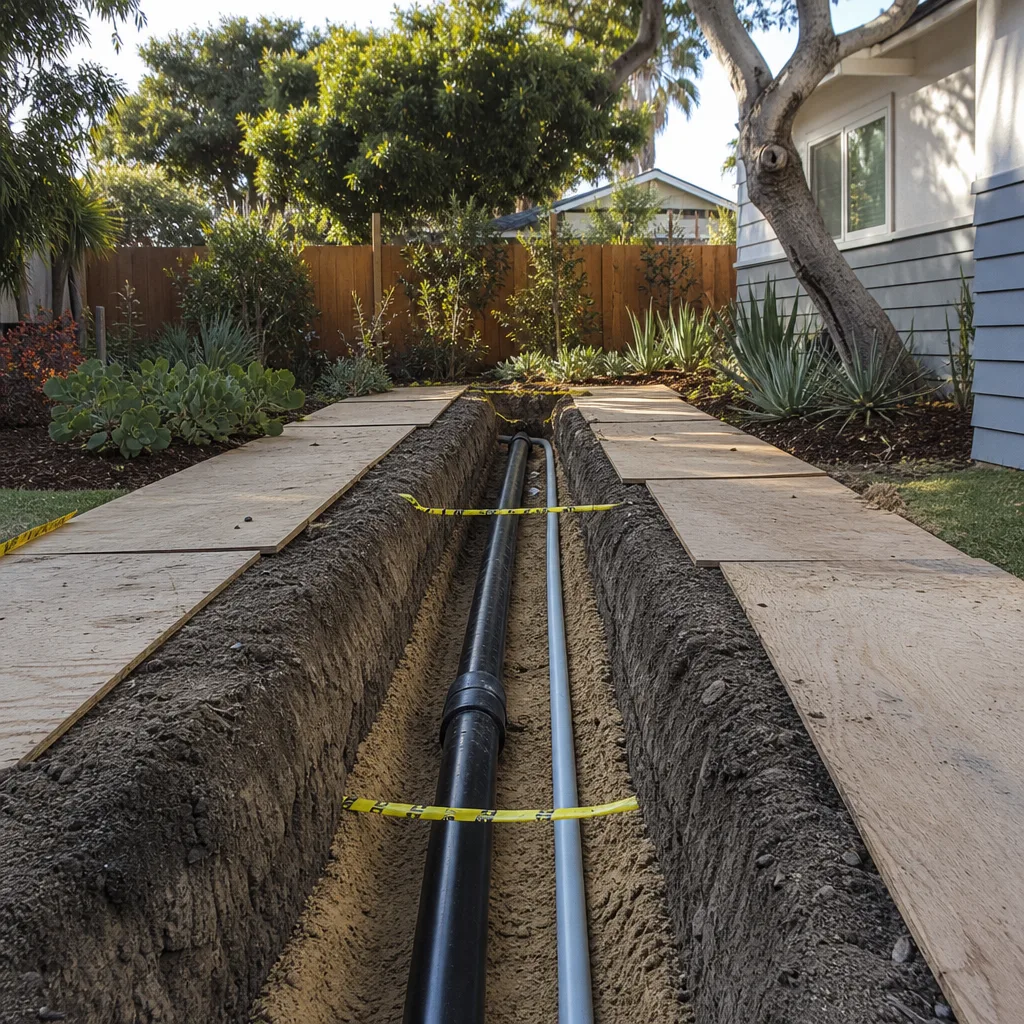
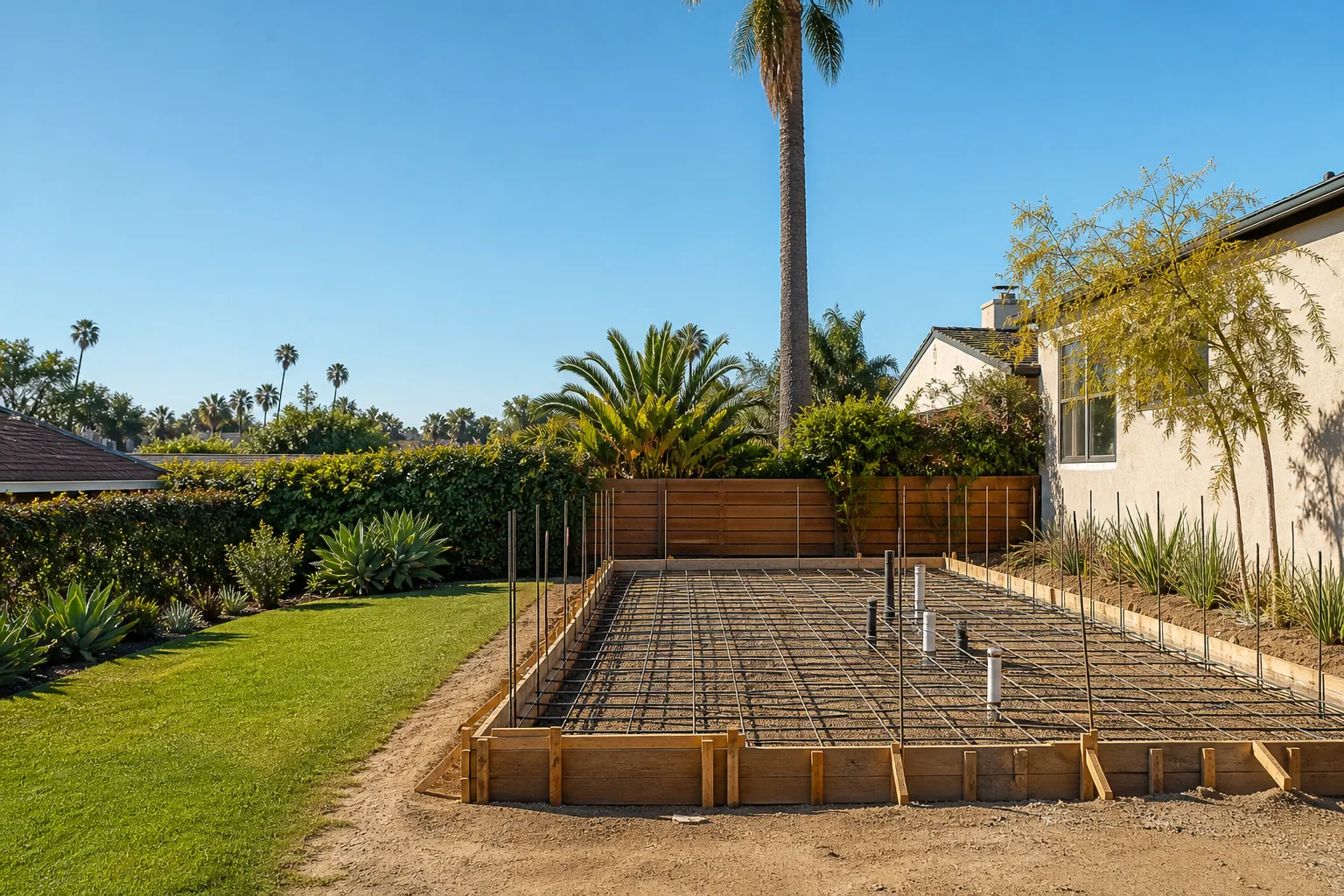
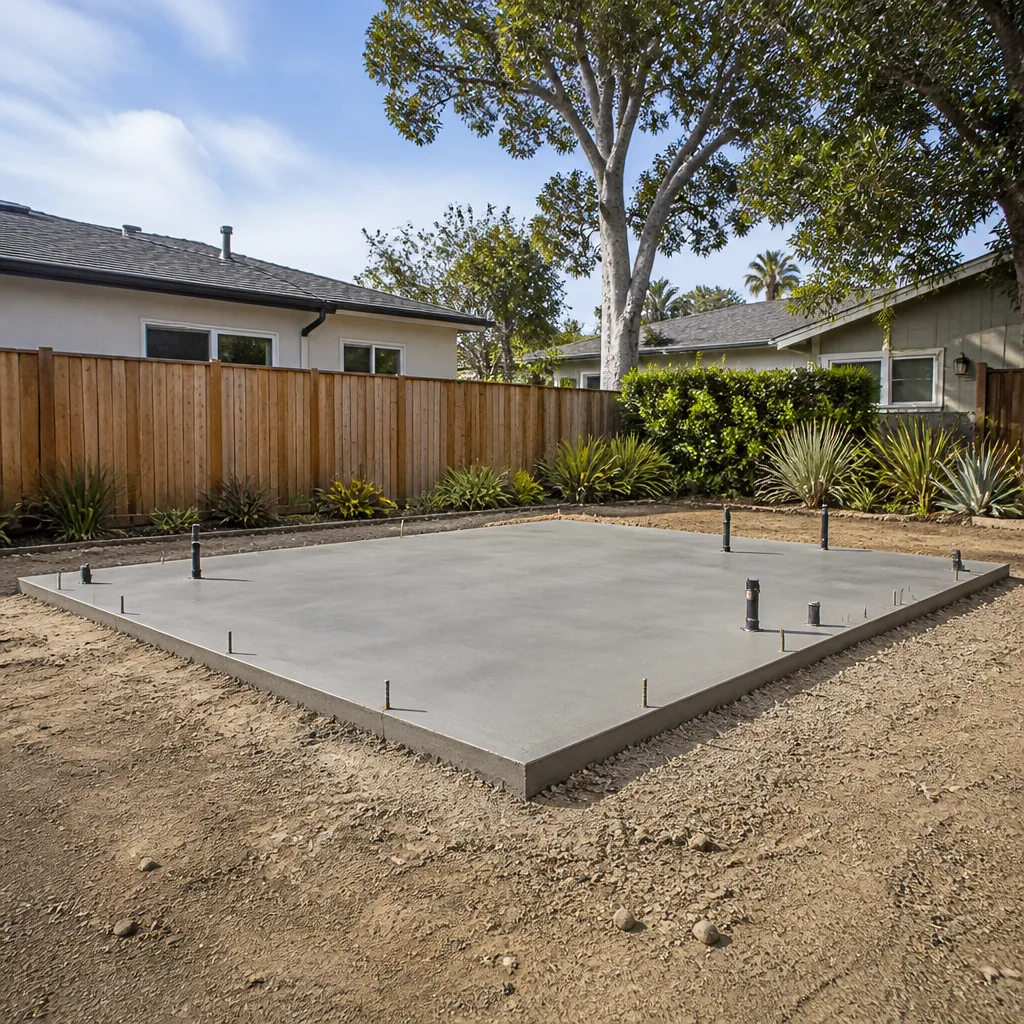
Cover builds prefab units in a few distinct series, and the site prep and utility components differ between them. The most common units we see in San Jose are the Cover Studio and Cover One, both of which land on either a concrete pad or a series of poured piers, with water, sewer, and electrical stubbed up from below. The Studio’s utility chase runs along the exterior wall, while the One typically brings utilities up through the floor system. If you’re not sure which you have, look at the inside of the unit’s utility panel: Cover stamps a spec plate with the series name and the lot number from the factory. That plate is the single most useful piece of information you can give us.
On the parts side, the distinction that matters most is OEM versus quality aftermarket. Cover’s OEM site-prep components are well built, but some owners find that aftermarket equivalents from suppliers we trust match or exceed the OEM spec for less money. For water supply stubs, we’ll usually recommend an aftermarket brass fitting over the OEM plastic one, because San Jose’s hard water degrades plastic faster than people expect. For anything electrical, we stick with OEM-spec parts. That’s not a place to save forty dollars.
Signs Your Cover Site Prep & Utilities Is Failing
- Water pressure drops inside the unit while the main house is fine. This usually means a crushed or kinked supply line under the pad, or a failing shutoff valve at the stub-out. Cover’s supply runs are shallow, and San Jose’s clay soil expands and contracts enough to stress them over time.
- Slow drainage that gets worse after rain. The unit’s sewer lateral ties into your main line, and if the connection wasn’t bedded properly, soil movement breaks the fall angle. We see this most often on units installed before 2018, before Cover changed their connection detail.
- You smell sewer gas near the unit’s exterior chase. A dried-out or cracked p-trap seal on the unit side is the usual culprit, but it can also be a failed wax or rubber seal at the connection point. Either way, it’s a sign the utility connection needs attention before it gets worse.
- Breakers trip when the mini-split kicks on. Cover’s electrical feed is sized to a specific load, and when the connection at the panel gets corroded or the conductor was under-torqued at install, it trips under draw. That’s a fire risk worth taking seriously.
- The unit’s door sticks, or a corner of the floor feels soft. This usually isn’t the door or the floor at all. It’s the pad settling unevenly, which is a site prep failure. In San Jose, where some neighborhoods sit on expansive soil, a pad without proper compaction or a missing pier will move enough to rack the whole unit.
Replacement Cost & What’s Included
Here’s what you’re actually looking at in San Jose, installed, with written pricing before we start.
| Scope | Typical Installed Range |
|---|---|
| Single utility stub repair (water or sewer) at the unit connection | $900 – $1,600 |
| Electrical feed replacement from panel to unit, including conduit | $1,400 – $2,400 |
| Drainage correction: re-bed pipe, replace a failed connection | $1,200 – $2,100 |
| Pad or pier-leveling with compaction work under one corner | $1,800 – $3,200 |
The range depends on access. If we can reach the connection through the existing chase, it’s on the lower end. If we have to cut and patch the pad or trench through your San Jose backyard clay, it’s higher. Every quote includes parts, labor, and haul-away. And every job comes with our written guarantee: if the work fails within the first year, we come back and make it right at no charge. That’s the 365-Day Done Right Promise, and it’s on paper before we touch anything.
DIY or Call Us?
What you can safely check on your own: look for visible leaks at the shutoff valve, run the water and note whether it drains, and check your breaker panel for trips or warm breakers. What you shouldn’t do: dig down to a utility line yourself, open a Cover electrical panel, or try to re-level a settled pad. The electrical connection carries enough voltage to kill you, and a mis-dug sewer lateral can bust the whole branch line. If your Cover unit is on a gas line for the water heater, don’t touch that at all.
If what you’re seeing falls into the “shouldn’t do” category, call us at (669) 266-4319. We’ll send a background-checked, uniformed technician who’s worked on Cover units before, and you’ll get a written price before any work starts. Russ’s way of putting it: “Tell me what you were promised before, and I’ll tell you what we can actually deliver.”
FAQs
Properly installed utility connections should last 20 – 30 years, but San Jose’s expansive clay soil and hard water can shorten that for supply lines and drainage beds that weren’t installed with local conditions in mind. Most failures we see happen at the connection points, not mid-run. Call (669) 266-4319 for an inspection if your unit is over a decade old.
Many utility repairs are repairable at the connection point without full line replacement, but it depends on the failure. A cracked fitting can be swapped for under $1,200. A shifted pad or a collapsed drain line is a bigger job. We’ll tell you which one you have before we quote.
Most single-component replacements take one day. Pad re-leveling or drainage re-bedding can take two to three days including cure time. We give you a defined arrival window in writing before we show up.
We stock common water and sewer fittings, electrical connectors, and drainage parts for Cover and similar prefab brands on the truck. Oddball or model-specific components can usually be sourced same-week. If we don’t have it locally, we’ll tell you the lead time before you commit to anything.
Written by Russ Delmar, Owner, Lodgewick ADU San Jose at Lodgewick ADU San Jose, serving San Jose and nearby areas.