Mighty Buildings Junior ADU Conversion: The San Jose Owner’s Guide
A Mighty Buildings junior ADU conversion in San Jose typically costs between $22,000 and $48,000 installed, depending on whether you’re working with an existing Mighty Buildings shell that needs interior finishing or converting attached space like a garage into a permitted JADU. Most of the conversions we handle in San Jose take 6 to 10 weeks from permit submission to final inspection, and we stock the common Mighty Buildings-compatible components on our trucks so we’re not waiting on shipped parts mid-project. The way owners usually find us is simple: they bought or inherited a Mighty Buildings unit, started the conversion, and hit a wall. Sometimes it’s a permitting issue with the City of San Jose. Sometimes it’s a systems failure, like the HVAC mini-split or the panel wiring, that stops the project cold. Sometimes it’s a contractor who walked away halfway through framing and left the shell exposed to a wet winter. We get those calls every month.
We’re an independent San Jose ADU builder, not a Mighty Buildings dealer or affiliate. That matters because we’ll tell you straight what’s worth fixing versus replacing, and we won’t steer you toward a specific brand just because we stock it.
Which Mighty Buildings Models This Applies To
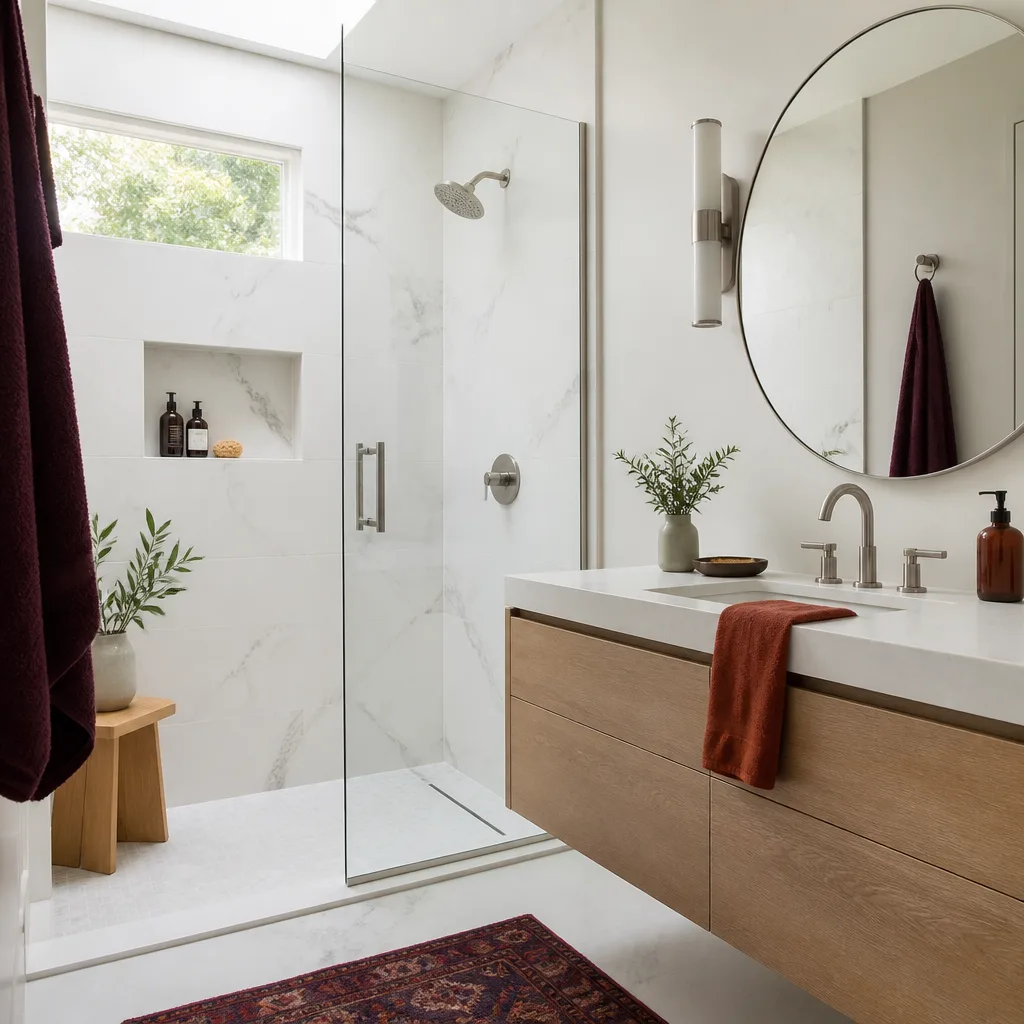
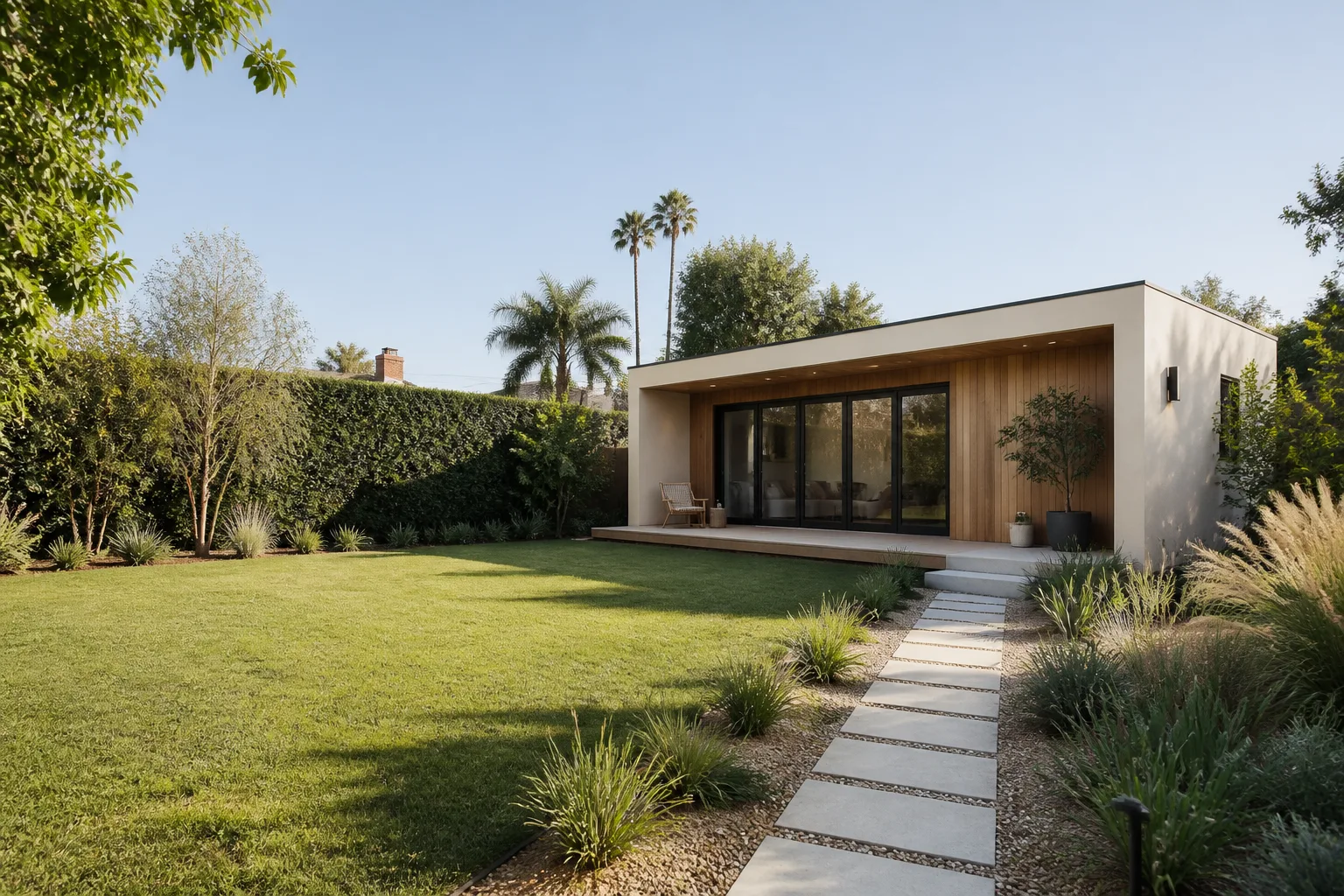
Mighty Buildings produces panelized prefab units built around their Light Stone material, a UV-cured composite that arrives as wall and roof panels. The most common models we convert for junior ADU use in San Jose are their Studio and one-bedroom shells, which land in the 350 to 500 square foot range, the sweet spot for JADU occupancy limits under California code. If you’re looking at your unit and wondering which model you have, check the UL certification label on the exterior wall near the electrical panel. It’ll list the model designation and the manufacturing date, which matters because Mighty Buildings changed their wall panel connection details in 2022, and the older panels use a different flashing and sealant system at the seams.
Here’s the compatibility gotcha we see regularly: Mighty Buildings panels are not interchangeable with stick-framed wall sections. If a previous contractor cut a rough opening too wide for a standard door or window, you can’t just sister in a 2×6 header the way you would on a conventional build. The panel needs a specific load path, and in San Jose’s seismic zone, the building department will ask for engineering on any modification to those panels. That’s not a reason to avoid the product. It’s a reason to have someone who’s worked with panelized systems before, so the fix doesn’t spiral into a re-engineer.
We also work with Abodu, Cover, and Dvele units, so if you’ve got a mixed setup or you’re comparing repair costs across brands, we can give you honest numbers.
Signs Your Mighty Buildings Junior ADU Conversion Is Failing
- Water staining at the wall-to-roof seam. The panel seam sealant on early Mighty Buildings units degrades faster in San Jose’s wet-dry cycles than the manufacturer originally projected. If you see discoloration near the top plate or around window corners, that’s a flashing failure, not a roof leak. Address it before drywall goes up, because once the wall cavity is sealed, the repair cost multiplies.
- The mini-split throws an error code and won’t hold temperature. This usually means the refrigerant line was kinked during original installation or the condensate drain was pitched wrong. We see this on roughly a third of the unconverted shells we’re called to finish, and it’s a $400 to $900 fix with the right tools.
- Doors or windows bind when the temperature swings. Mighty Buildings panels expand and contract at a different rate than standard framing. If the rough openings weren’t shimmed correctly during panel assembly, you’ll see binding in summer and gaps in winter. It’s fixable without replacing the panel, but it takes patience and the right flashing detail.
- The subfloor feels soft near the bathroom rough-in. Some early units shipped with OSB subfloor that didn’t get the specified edge sealing before delivery. San Jose’s fog and winter rain find unsealed edges, and the result is swelling near the toilet flange and shower drain. The joists are usually fine, but the subfloor patch has to tie into the panel system correctly.
- Permit records don’t match the installed work. This is less a physical failure and more a conversion killer. We’ve straightened out several San Jose JADU projects where the original owner did unpermitted electrical or plumbing work inside a Mighty Buildings shell, and the city flagged it during the conversion permit review. You have to open the wall, document the correction, and schedule a re-inspection. It’s annoying, it adds two to three weeks, and it’s avoidable if the first installer pulls permits from the start.
Replacement Cost & What’s Included
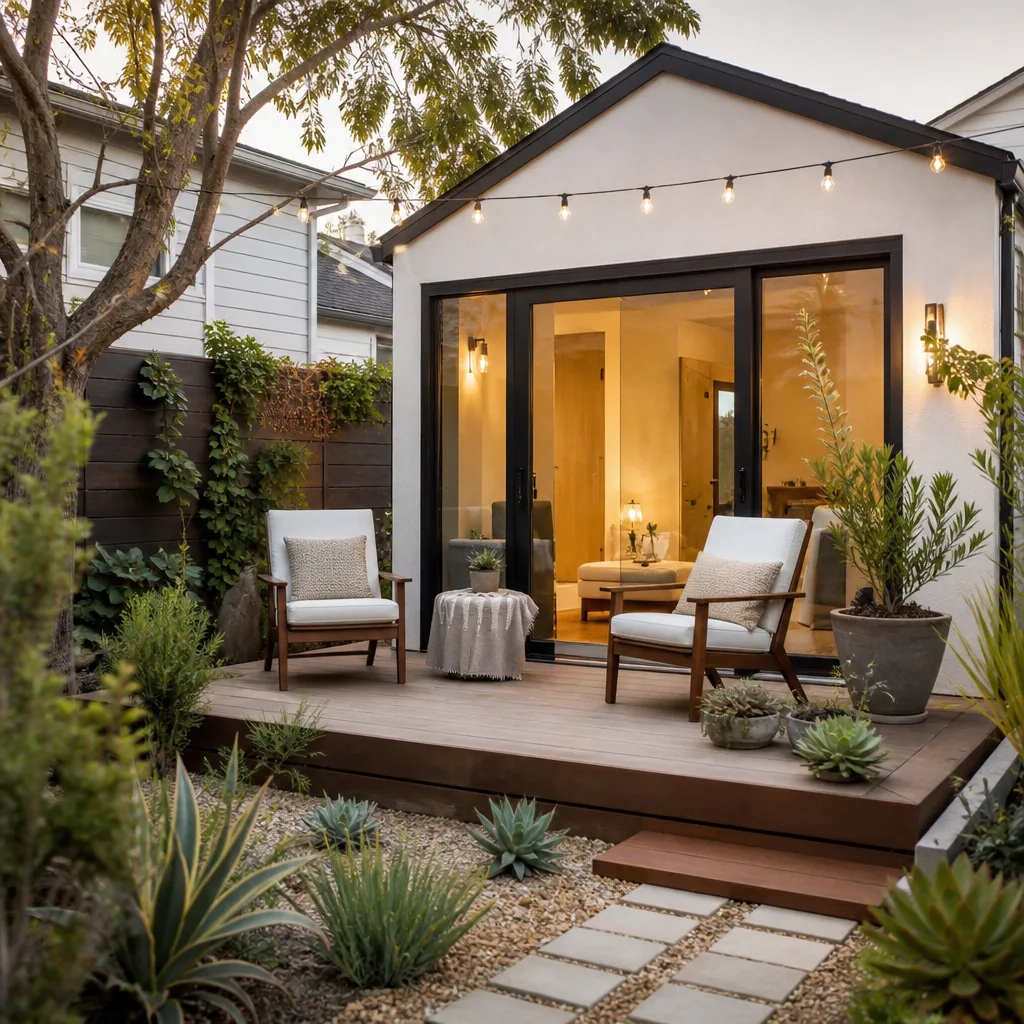
If you’re replacing a failed component rather than finishing a shell, here’s what you can expect to pay in San Jose right now. A Mighty Buildings-compatible mini-split replacement with installation runs $3,200 to $5,800 depending on the BTU rating and whether the line set needs to be re-run through the panel chase. Replacing a failed panel seam sealant system with the current Mighty Buildings spec costs $1,800 to $3,500, and that includes removing the old sealant, prepping the joint, and re-flashing. A full interior conversion from shell to permitted JADU, meaning drywall, flooring, a kitchenette, a bathroom, and all electrical and plumbing, lands between $22,000 and $48,000 in San Jose. The spread depends on whether we’re doing a wet bathroom with a shower or a powder room, whether the kitchenette needs 220V for a range top, and whether your lot requires trenching for a new sewer lateral.
Every one of our quotes is a written price, not a verbal estimate. That’s the Kingswell Guarantee, and it’s why we put the number in writing before we start. No change orders at the door, no discovery surprises. If we find something unexpected once we open a wall, we stop, show you what we found, and give you the revised number before we touch another thing. The 365-Day Done Right Promise covers the workmanship on every conversion and repair we do in San Jose. If something fails within a year of completion, we come back and fix it. That’s in writing too, handed to you before we start.
DIY or Call Us?
Some things you can safely check yourself. You can look at the panel seams on the exterior and note any cracking or discoloration. You can check the mini-split filter and clean it if it’s clogged. You can verify the condensate line is draining by pouring a cup of water into the drain pan and watching for flow at the exterior. You can read the label on your panel and write down the model and manufacture date, which saves time when you call us.
What you should not do yourself is anything involving the panel connections, the electrical panel, or the refrigerant lines. Mighty Buildings panels carry structural load, and modifying them without understanding the engineering is how you get a failed San Jose building inspection that sets your JADU conversion back months. Electrical work inside these units requires a California licensed electrician, and the mini-split refrigerant system requires EPA Section 608 certification to handle legally. We’ve been called out to fix DIY attempts that ended up costing twice what the original repair would have. If you’re not sure whether something’s safe to touch, call (669) 266-4319 and ask. A live person answers, day or night, and they’ll tell you honestly whether it’s something you can handle or something we should look at.
FAQs
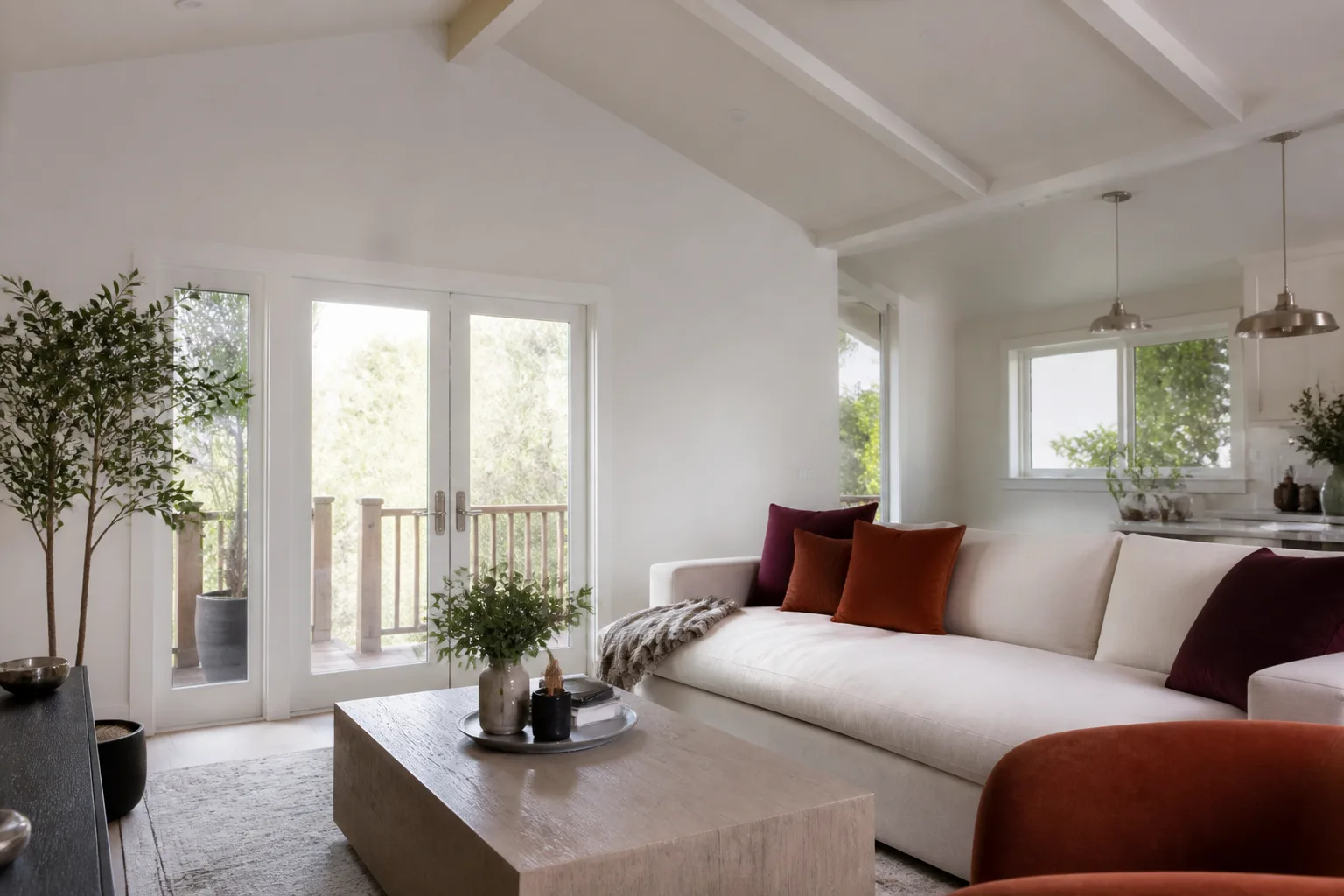
A properly detailed Mighty Buildings conversion should last 30 to 40 years on the structural shell and 15 to 20 years on the mechanical systems before major replacement. The weak points in San Jose are the panel seam sealant, which needs inspection every 5 years, and the mini-split, which typically needs replacement at the 12 to 15 year mark. If the original conversion was done without proper flashing details, expect problems much sooner, often within the first two years.
In most cases, yes. We repair panel seams, re-flash openings, patch subfloor sections, and re-pitch condensate drains regularly in San Jose. The decision between repair and replacement comes down to whether the component has failed completely or is just underperforming. A mini-split with a bad compressor is a replacement. A mini-split with a clogged drain or a kinked line is a repair. We’ll show you the failed part and explain the choice before charging you for anything. Call (669) 266-4319 for an honest assessment, and the estimate is free.
A full Mighty Buildings JADU conversion in San Jose takes 6 to 10 weeks including permit processing with the City of San Jose. A component repair like a seam seal or mini-split replacement takes one to two days on site. Permit timelines are what they are, and we don’t sugarcoat them. The city has gotten faster on JADU permit review in the last two years, but plan check for panelized construction still adds a week or two compared to a conventional build.
We stock the common failure items on our trucks: seam sealant, flashing materials, mini-split components, and panel shim kits. For less common items, we order from suppliers we’ve vetted, and we’ll tell you the lead time before you commit. We also stock conversion-compatible materials for Abodu, Cover, and Dvele units, so if you’ve got a different prefab brand on your San Jose lot, we can still get you sorted.
Written by Russ Delmar, Owner, Lodgewick ADU San Jose at Lodgewick ADU San Jose, serving San Jose and nearby areas.
If your Mighty Buildings junior ADU conversion is stalled, leaking, or just not finished, call (669) 266-4319. We’ll give you a straight answer about what’s wrong and a written price to fix it. Tell me what you were promised before, and I’ll tell you what we can actually deliver. That’s how we’ve worked in San Jose since day one.