James Hardie Junior ADU Conversion: The San Jose Owner’s Guide
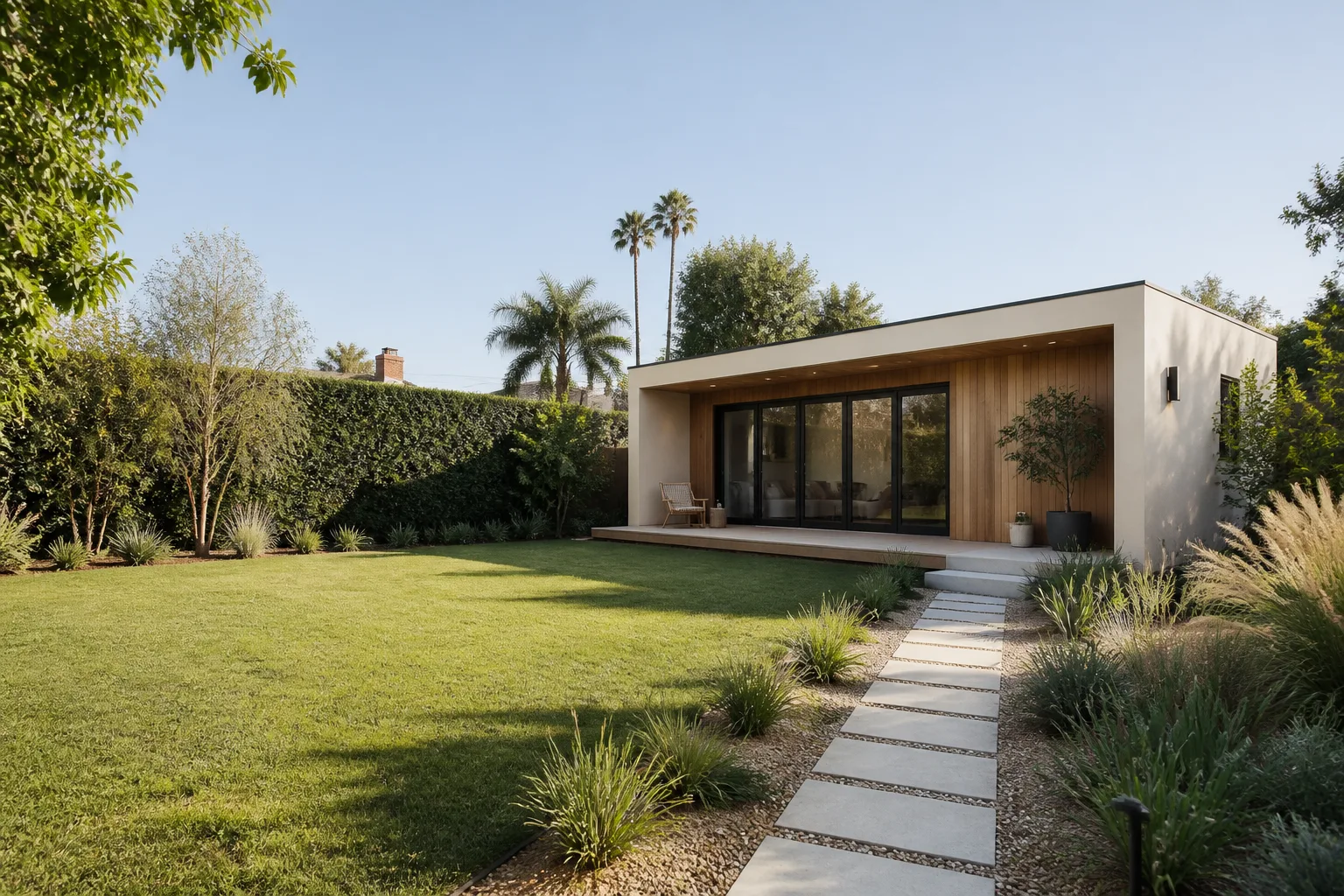
We stock and install the James Hardie siding, trim, and weather-barrier components needed for junior ADU conversions across San Jose, with typical installed pricing running $4,200 to $11,800 depending on the scope of the Hardie portion of the job. Most homeowners discover they need us the same way: a city inspector flags failed flashing, a corner of the JADU shows water staining beneath the Hardie plank, or the siding around a new door or window was installed without the required clearance gaps. The most common call we get is from someone whose junior ADU passed framing and electrical, then stalled at the exterior because the Hardie work was either done wrong or never priced correctly in the first place.
Key Takeaways:
- James Hardie junior ADU conversion components in San Jose typically run $4,200 to $11,800 installed, depending on siding area, trim complexity, and condition of the existing sheathing.
- We carry HardiePlank lap siding, HardiePanel vertical siding, HardieTrim boards, and the correct flashing and joint materials on our trucks for most San Jose JADU jobs.
- Improper Hardie installation around windows and doors is the leading cause of failed inspections on junior ADU conversions in San Jose.
- Written price before work starts, every time, under The Kingswell Guarantee.
Which James Hardie Models This Applies To
The junior ADU conversions we handle in San Jose use either HardiePlank lap siding (the horizontal boards, available in 5/16-inch and 1/4-inch thicknesses) or HardiePanel vertical siding (4×8 and 4×10 sheets), depending on the architectural style of the main house and what the city’s planning department will approve. The one compatibility gotcha we run into constantly: HardieTrim 5/4 boards are not structurally interchangeable with 4/4 trim. If your existing trim is rotted and the plan calls for the thicker 5/4 profile, the window and door frames often need to be re-shimmed, which adds labor and material the original quote didn’t include. On the question of OEM versus aftermarket: for James Hardie products specifically, we almost always recommend genuine Hardie boards and trim. The fiber cement formulation, the pre-finished ColorPlus coating, and the warranty all depend on using matched components. Aftermarket fiber cement exists, but mixing it with James Hardie on the same structure creates uneven expansion rates, and the seams telegraph through paint within two or three San Jose summers.
To identify what you already have, look at the back of any loose or removed piece. HardiePlank will have “James Hardie” and a product code printed along the back edge. The width of the exposed face (commonly 4-inch, 5-inch, or 6-inch reveal) tells you the lap profile, and the thickness tells you whether it’s the 5/16 or 1/4 product. If you’re unsure, a photo sent to us is usually enough to identify it before we even schedule the estimate.
Signs Your James Hardie Junior ADU Conversion Is Failing
- Water staining below windows or at wall corners. This almost always traces back to missing or improperly lapped flashing where the Hardie siding meets the window flange. In San Jose, even our relatively light rain finds those gaps fast, and the staining shows up within the first winter.
- Bubbling or peeling paint on Hardie boards. Hardie’s baked-on ColorPlus finish doesn’t peel on its own. If paint is lifting, the board is wicking moisture from behind, which means the rainscreen or housewrap layer was skipped or done wrong during the original conversion.
- Cracked boards at nail lines. Fiber cement is brittle. When it’s face-nailed with the wrong fastener pattern, or nailed too close to the edge, stress cracks radiate from the nail heads. We see this on San Jose JADUs that were hurried through exterior finishing.
- Gaps opening at board ends. James Hardie joints require a specific gap (about 1/8 inch) with flashing behind them, and the gap must be left open or caulked with a specific sealant. When boards are butted tight during install, thermal expansion forces them to bow, and the joints open up anyway, but now with a split behind them.
- Soft spots when you press on the siding. By the time the Hardie plank itself feels soft, the sheathing behind it is likely worse. Fiber cement doesn’t rot, but water trapped behind it rots the OSB or plywood, and the siding then has nothing solid to hold onto.
Replacement Cost & What’s Included
For a typical San Jose junior ADU conversion, the James Hardie portion of the work runs between $4,200 and $11,800 installed. The spread depends on a few things: the total square footage of exterior wall, whether you’re using lap or panel product, whether the existing sheathing and housewrap are salvageable, and how much trim and flashing detail the design calls for. Smaller JADUs with straightforward lap siding and minimal trim land at the lower end. Larger conversions with HardiePanel, heavier trim profiles, and window and door flashing corrections land closer to $11,800. The number includes all Hardie materials, the correct flashing and joint treatment, fasteners, labor, cleanup, and our written guarantee on the work. We give a written price before any work starts, and that number does not change at the door. If the Hardie work fails within the 365-day period, Lodgewick ADU San Jose returns and makes it right at no charge under our 365-Day Done Right Promise.
DIY or Call Us?
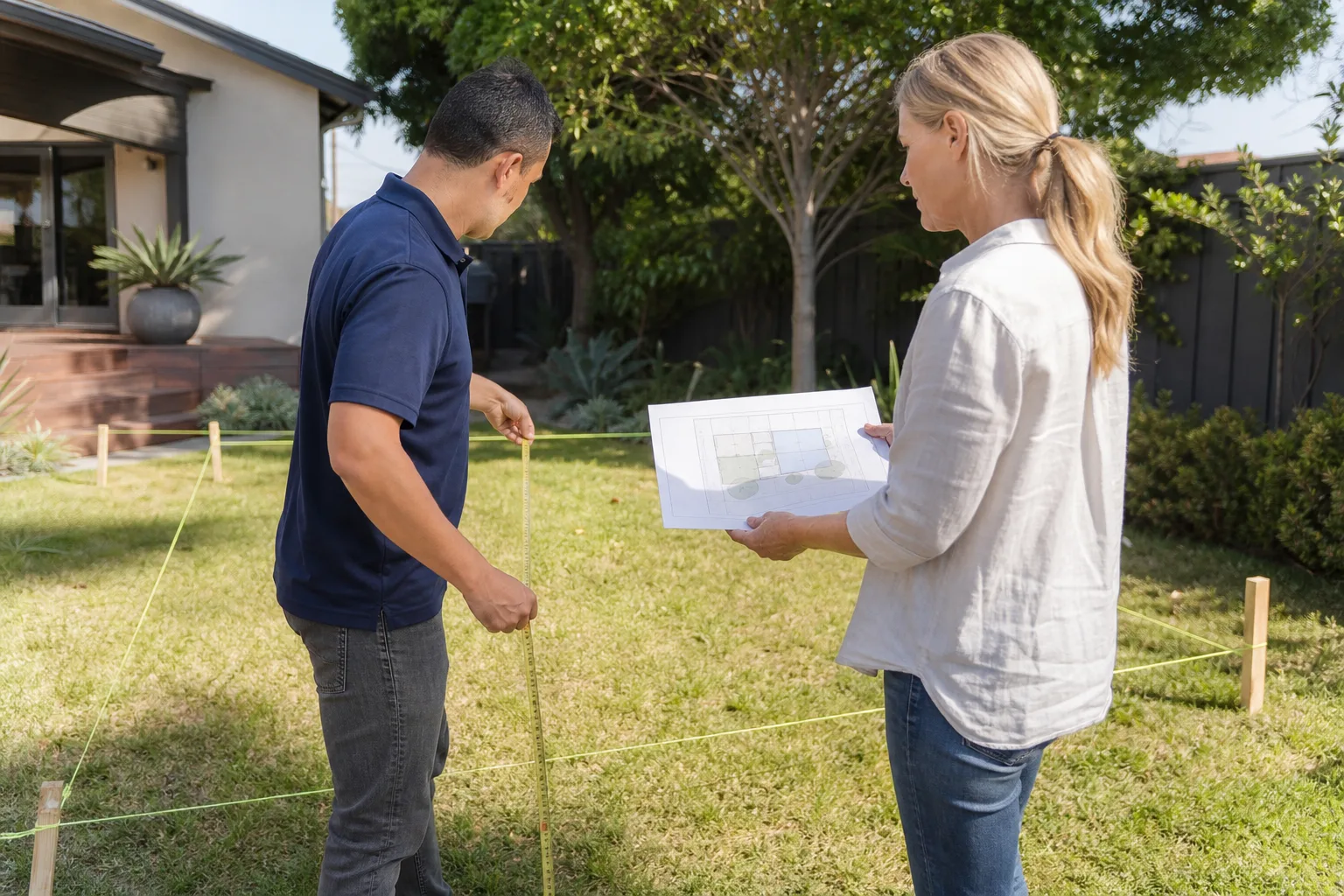
There are things a San Jose homeowner can safely check. You can look for the staining, the cracking, and the missing joint gaps we described above. You can confirm the product label on the back of a loose board. What you should not do is tear off siding on a lived-in JADU to inspect what’s underneath. Once the weather barrier is breached, a rainstorm turns a small inspection into a water-damage claim, and San Jose does get real rain in the winter months. Also, cutting fiber cement generates silica dust, which is a genuine respiratory hazard. The right equipment and the right protective gear matter. If you’re not certain about what you’re looking at, call us at (669) 266-4319 and we’ll come look. The estimate is free, and you’ll get a written number, not a guess.
FAQs
Properly installed James Hardie siding and trim carries an expected service life of 30 to 50 years, even in San Jose’s dry, sunny climate. The failure we see is rarely the product. It’s the installation, and that failure usually shows up within the first two years. Call (669) 266-4319 if you want us to look at yours.
Most San Jose JADU failures are reparable without gutting the entire exterior. We regularly remove and replace individual boards or trim sections, correct the flashing, and blend the finish. The repair is only as good as the underlying housewrap and sheathing, so we inspect that as part of every repair quote.
For a typical San Jose junior ADU, the Hardie siding and trim work takes three to five working days once materials are on site. Repairs are usually one to two days. We’ll give you a defined arrival window and a written schedule when we give you the price.
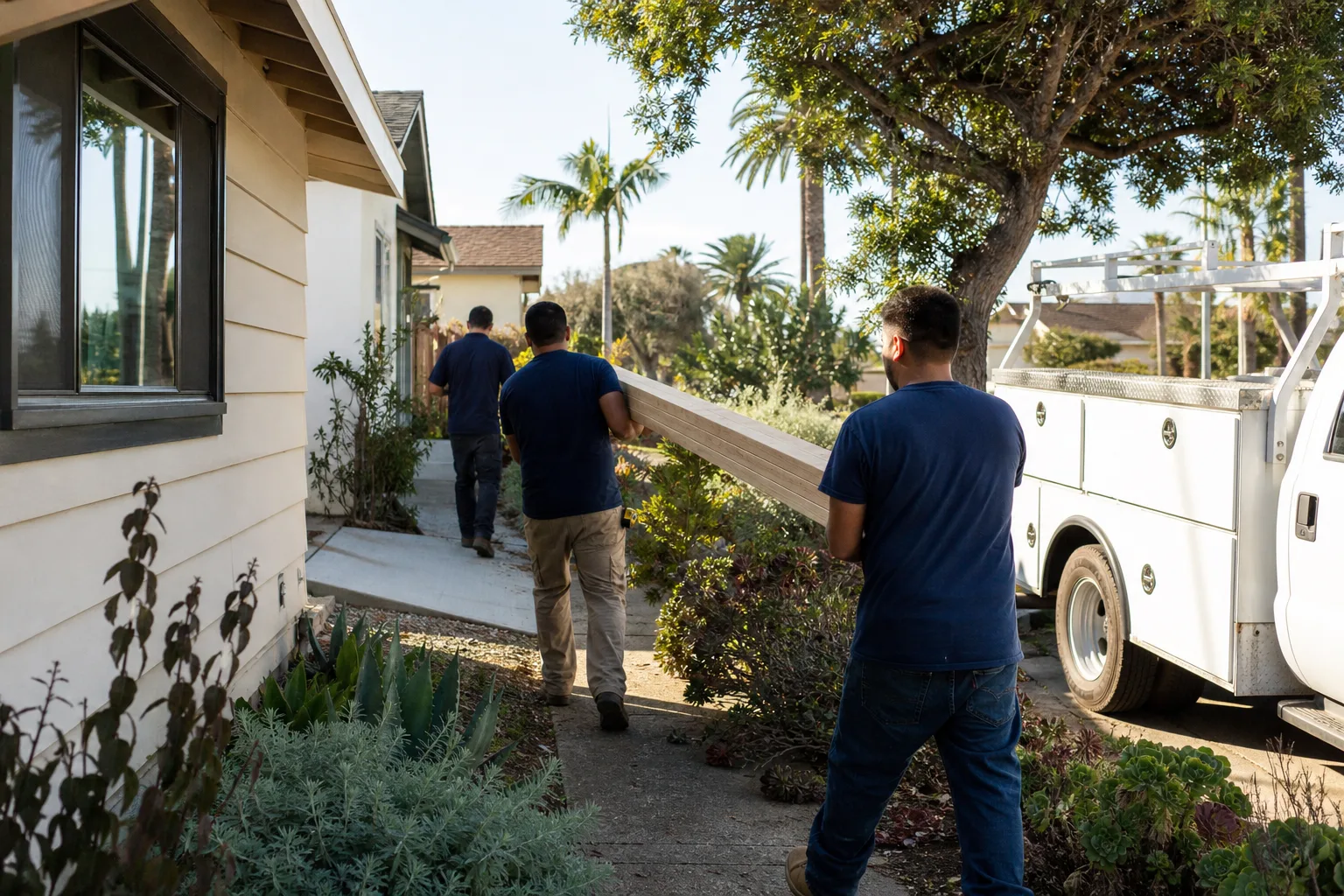
Yes. Our San Jose crews carry HardiePlank lap siding in the most common profiles, HardiePanel sheets, HardieTrim in both 4/4 and 5/4, the correct flashing, and joint sealant on every truck. We also work extensively with Abodu, Cover, and Dvele prefab ADU systems, so we understand how Hardie materials integrate with those builds.
If you have a James Hardie junior ADU conversion in San Jose that isn’t right, call (669) 266-4319 for a free estimate. Russ Delmar and the Lodgewick ADU San Jose team will put the price in writing before any work begins. Tell me what you were promised before, and I’ll tell you what we can actually deliver.
Written by Russ Delmar, Owner, Lodgewick ADU San Jose at Lodgewick ADU San Jose, serving San Jose and nearby areas.