James Hardie Site Prep & Utilities: The San Jose Owner’s Guide
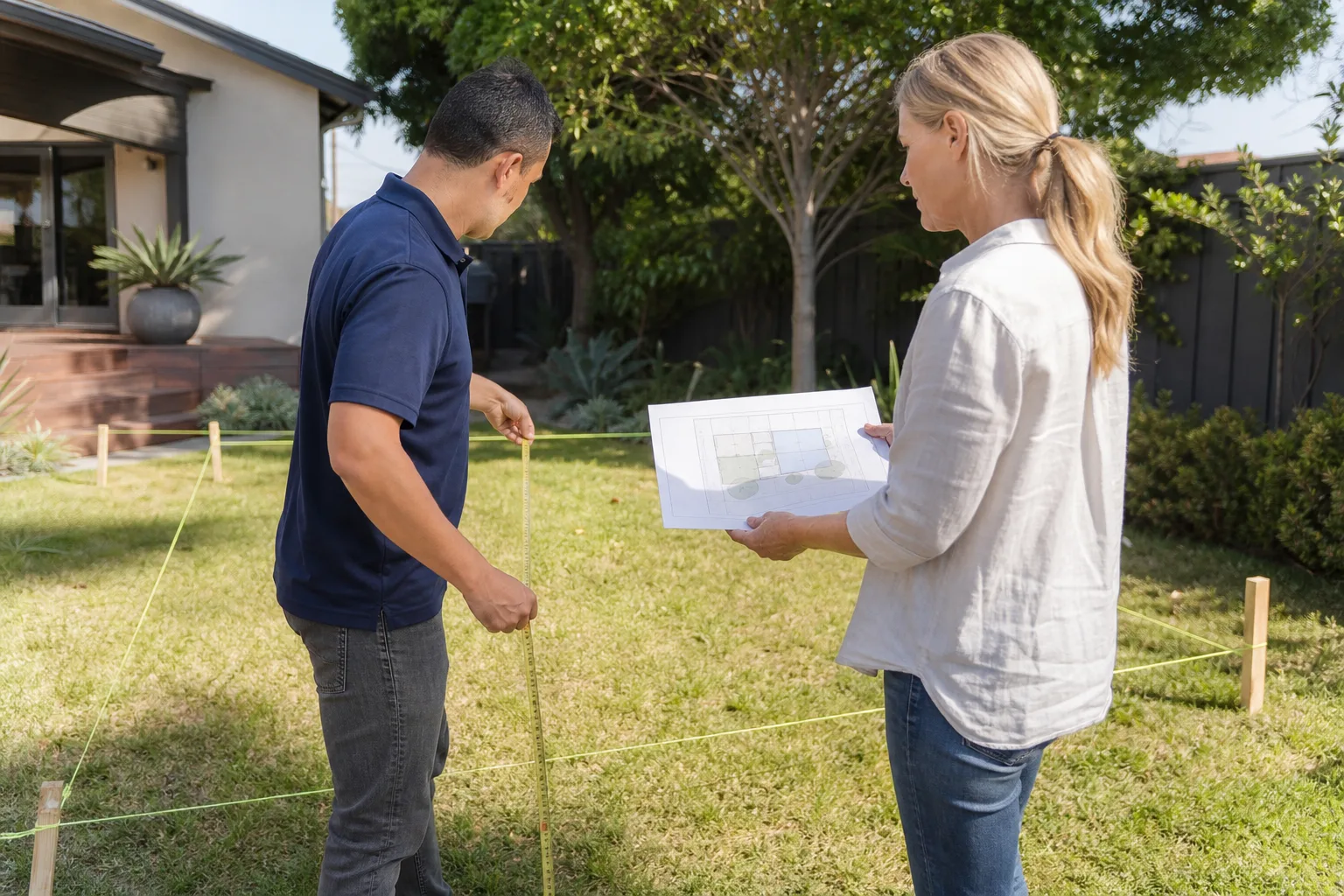
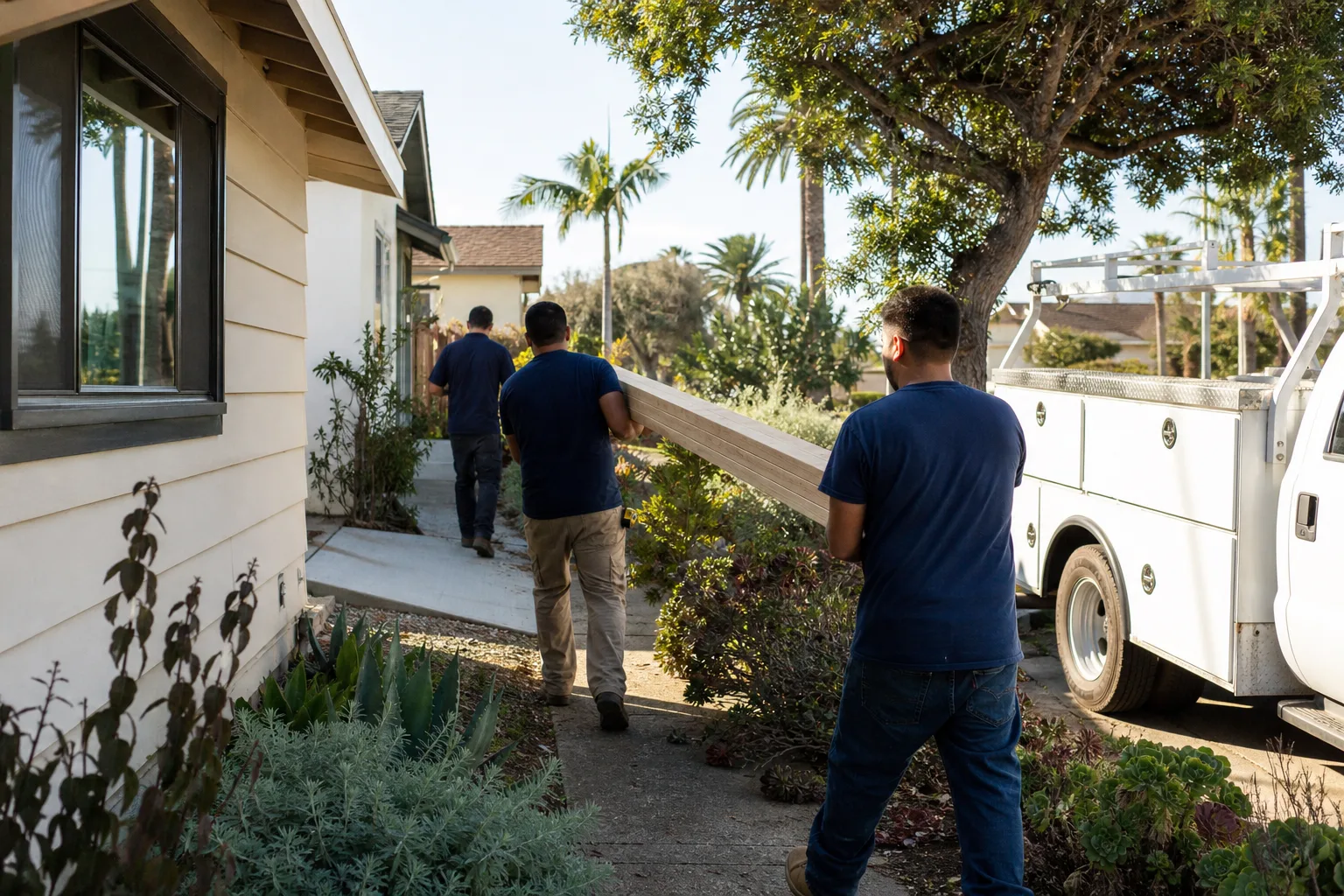
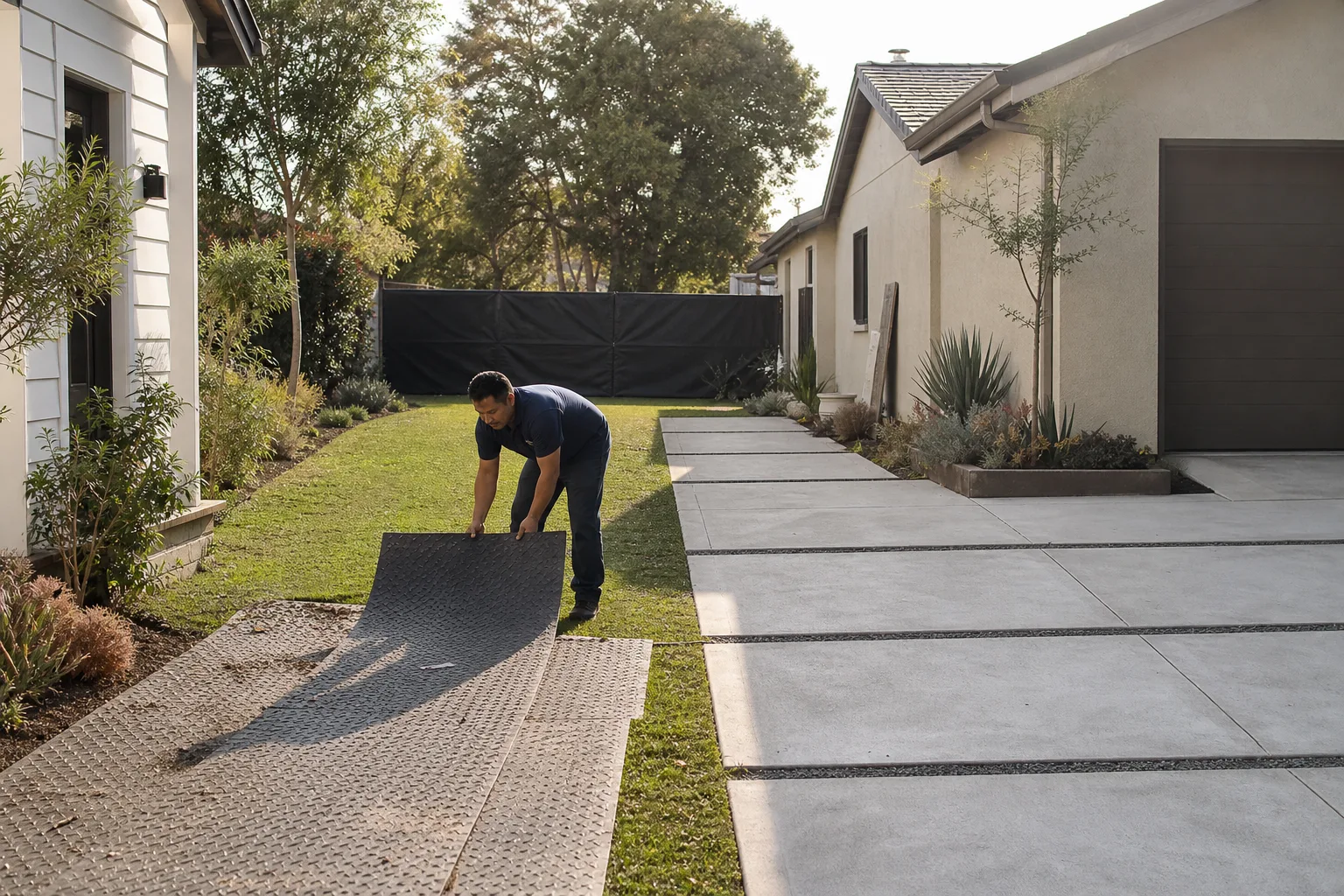
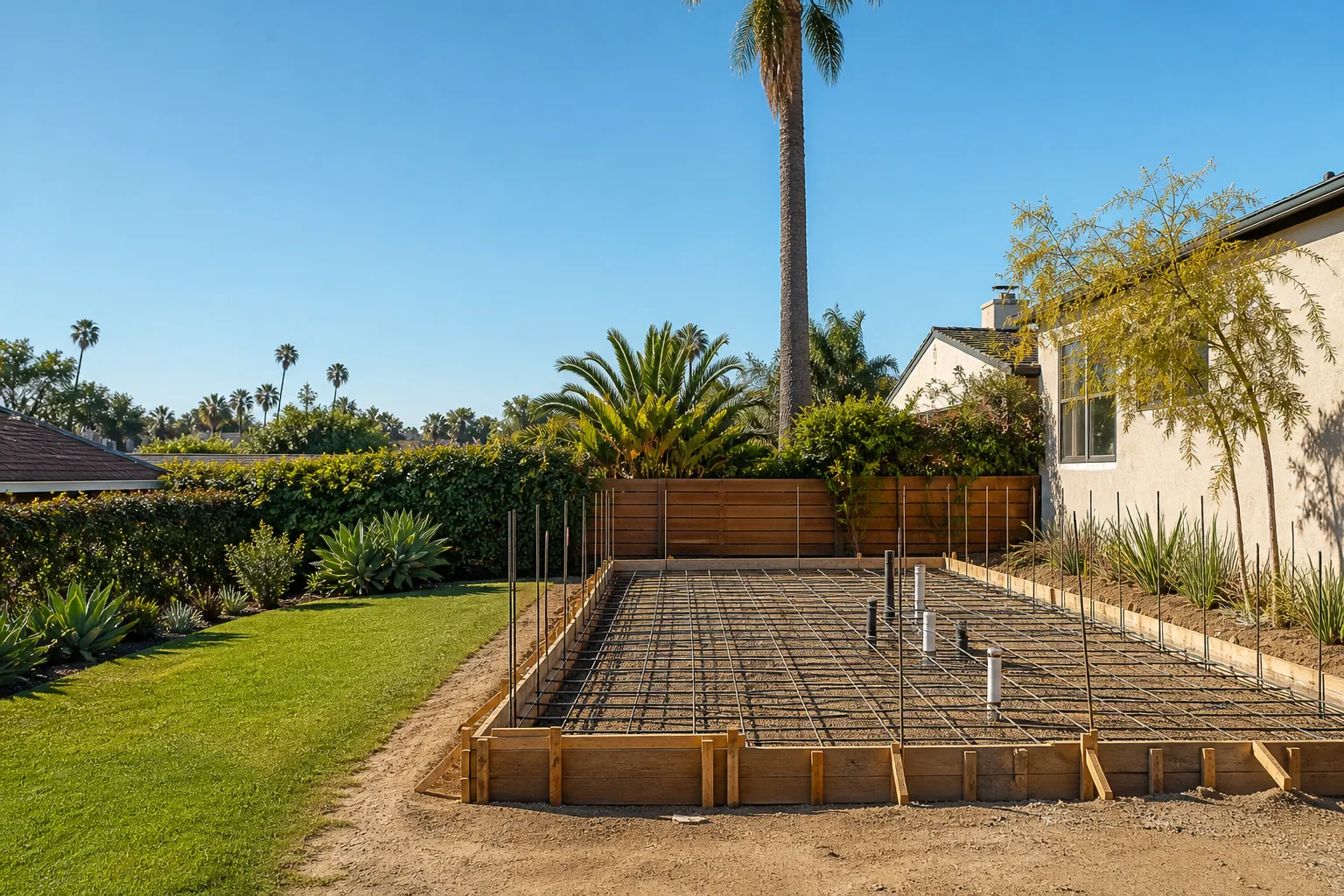
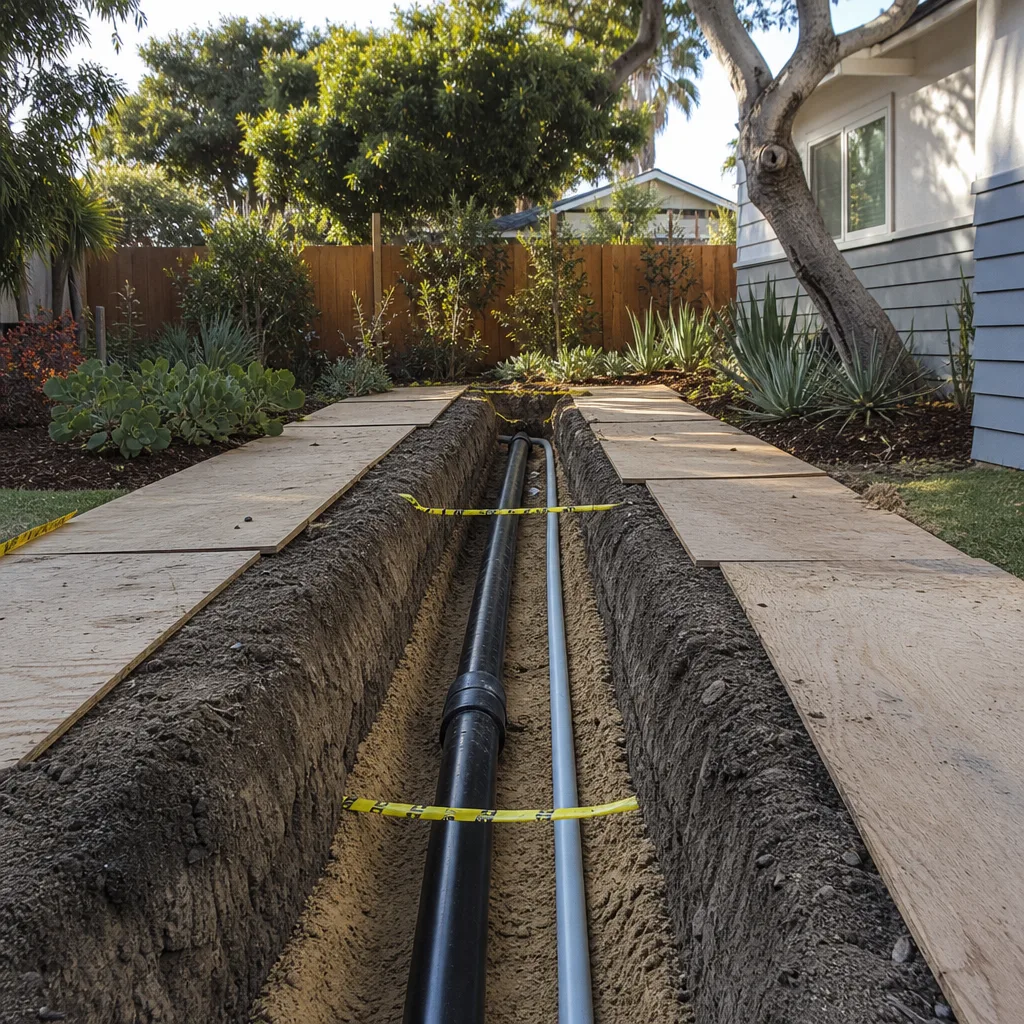
If you’re mid-James Hardie install and the site prep or utility rough-in is holding you back, here’s the straight answer: we stock and install James Hardie-compatible site prep materials and utility hookups across San Jose, with most site-prep packages running $1,800 to $6,500 installed depending on scope, and we can usually be on your lot within 3 to 5 business days. Site prep covers grading, drainage, trenching, pad prep, and utility stubs for water, sewer, and electric. Most San Jose homeowners discover the problem when a previous contractor left the site half-graded, the trench open, or the utility conduit exposed and sagging before the Hardie siding and trim even went up. That’s the mess we fix.
Key Takeaways
- Site prep and utility rough-in for James Hardie-clad structures in San Jose typically runs $1,800 to $6,500 installed, with most jobs landing under $4,000.
- Poor drainage is the leading cause of premature siding and trim failure on San Jose lots, especially in clay-heavy areas like Willow Glen and the East Side.
- We pull permits, call in inspections, and put the price in writing before any dirt moves.
- A live person answers at (669) 266-4319, 24/7. No voicemail loops.
Which James Hardie Models This Applies To
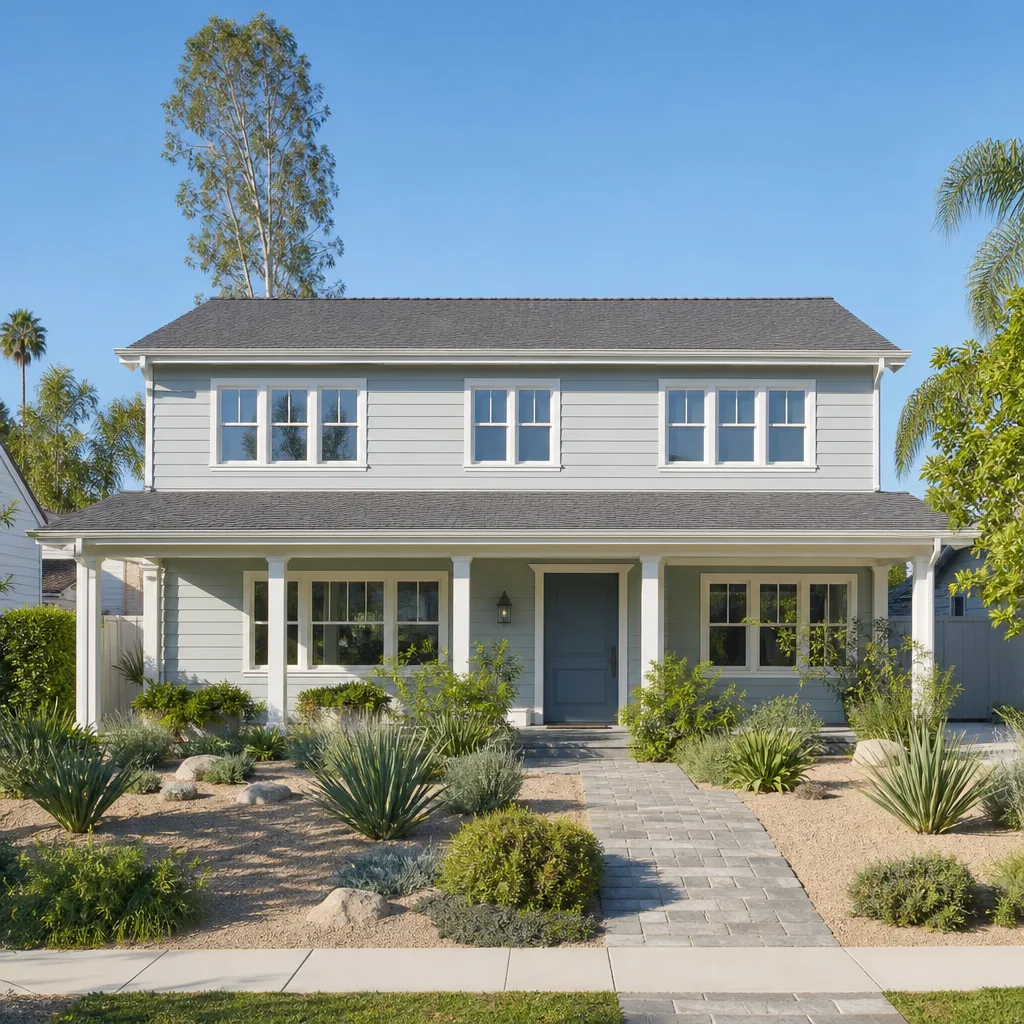
Site prep and utilities aren’t model-specific the way a replacement part is, but they interact directly with whatever James Hardie product line you’re installing. Whether you’re building an ADU with HardiePlank lap siding, HardiePanel vertical sheets for a garage conversion, or HardieTrim boards around a utility chase, the ground work underneath has to be right first. On a typical San Jose ADU we see HardiePlank HZ10 lap siding paired with HardieTrim HZ10 boards, but the prep demands don’t change much from HZ5 to HZ10 lines.
The compatibility gotcha most owners miss: James Hardie products require a minimum 6-inch clearance between siding and grade. If your site prep leaves the finished grade too high, you’ll fail inspection and eventually rot the bottom course, even with Hardie’s fiber cement durability. On San Jose lots with heavy adobe clay, that means you often need to over-excavate and build back up with compacted aggregate, not just scrape the surface. We handle that grading work and the utility rough-in together, so the slab height, trench lines, and siding clearance all land in the right place the first time. For aftermarket versus OEM: site prep materials like conduit, ABS pipe, and gravel have no OEM equivalent to worry about, but the quality of compaction and the type of base rock absolutely matter for what Hardie siding sits above. We spec Class II road base under pads, not the cheap fill some crews use, because settling under a Hardie-clad structure shows up fast as cracked trim lines.
Signs Your James Hardie Site Prep & Utilities Is Failing
- Water pooling against the foundation or pad edge. Runoff that sits means the grade wasn’t sloped away at the right pitch, and it will wick up into the bottom edge of Hardie siding and trim over time. On San Jose’s flat lots in the Berryessa area, this is common enough that we fix it almost weekly.
- Siding clearance is under 6 inches at the low corner. If the finished grade crept up during backfill or someone landscaped over the original clearance, the bottom course of HardiePlank ends up sitting in wet soil. You’ll see the bottom edge swell or discolor first.
- Utility stubs are exposed, crooked, or capped with nothing but tape. A conduit run that bends or pulls out of the ground wasn’t bedded properly, and it’ll fail inspection. This is the half-finished-rough-in signature of a contractor who walked off the job.
- Trenches that never got compacted are sinking. You’ll see a long, shallow depression following the sewer or water line path. That means the backfill wasn’t done in lifts, and your Hardie-clad structure will eventually show stress cracks at the corners as the ground shifts.
- The pad or slab corners are already cracking or spalling. In San Jose’s seismic zone, a slab poured over uncompacted fill or without proper base rock will crack within the first two winters. Hardie siding applied over a cracked shear wall or framed wall shifts with it, and the joints open up.
Replacement Cost & What’s Included
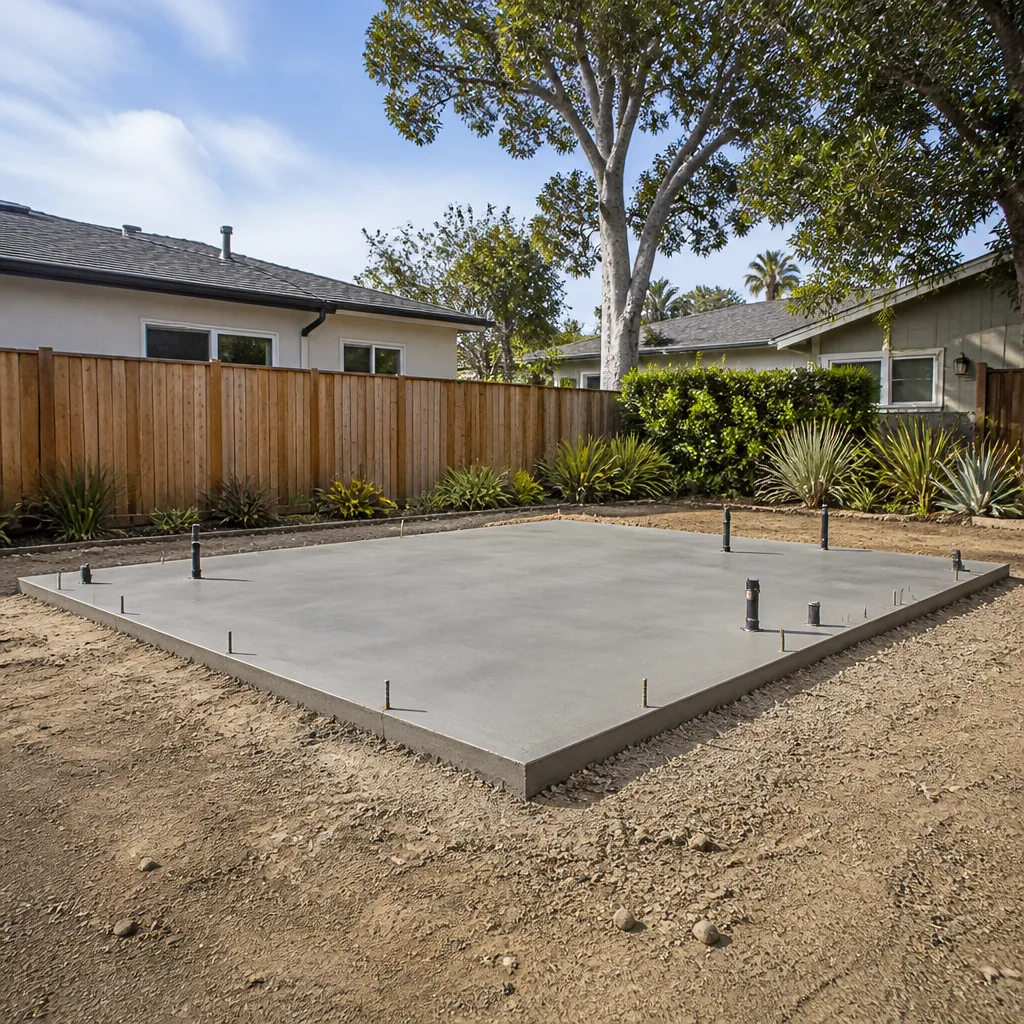
Here’s the pricing picture for San Jose, laid out the way we quote it so you’re not surprised later. Basic site prep (grading, minor trenching, compaction, base rock under a small ADU pad) runs $1,800 to $3,200. Add full utility rough-in for sewer, water, and electric stubs and you’re typically at $3,500 to $6,500, depending on distance from the main service and how much trenching the lot requires. Jobs that hit the top of the range usually involve rock, old tree roots, or a main line that’s deeper than expected.
Every estimate includes the written price before any equipment shows up, the utility trenching and bedding, compaction testing where the city requires it, and a guarantee that covers our work for a full year under the 365-Day Done Right Promise. If the work fails within that window, we come back at no charge. No change orders at the door, no surprise “scope expansion” after we break ground. Russ Delmar has spent too many years digging out previous contractors’ messes in San Jose to ever hand a homeowner one of his own.
DIY or Call Us?
There are two kinds of site prep work, and only one of them belongs in your weekend. You can safely handle clearing small brush, moving planter boxes, and marking known utility locations with white paint before we arrive. You should not attempt trenching for electrical conduit or sewer lines yourself. San Jose has underground service locator requirements, trench depth codes, and PG&E rules about working near gas lines, and a wrong move with an excavator near a gas main is fatal. Even a trench collapse in sandy loam can kill a person in seconds. This is exactly the kind of work where licensed, background-checked crews exist for a reason.
If the site prep is failing or you need rough-in done before a James Hardie install, call (669) 266-4319. We’ll walk the lot, tell you what’s wrong, and put a number in writing. No digging by phone, just straight answers.
FAQs
Properly compacted site prep with Class II base rock and correct drainage pitch should last the life of the structure, meaning 50 years or more, with the only ongoing item being re-grading if landscaping or erosion changes the slope over decades. On San Jose clay soil, we compact in lifts and use geotextile fabric where the soil wants to mix with the base rock, which prevents the settling that plagues shortcuts. Call (669) 266-4319 and we’ll assess what you have now.
In most cases, yes. If the problem is a sagging trench line, we can dig it out and re-compact properly. If the grade is too high against Hardie siding, we usually cut a swale or re-grade the perimeter rather than removing the structure. Full pad replacement is rare; we’ll tell you if your situation actually needs it, and we’ll show you why in person.
Most residential site prep and utility rough-in work takes 3 to 8 working days from first excavation to inspection pass, depending on trench lengths, soil type, and the city inspection schedule for San Jose’s Building Department. We give a defined arrival window and a written schedule before work starts, and we stick to it.
We keep the common materials on hand: ABS and PVC sewer pipe, schedule 40 conduit, dielectric fittings, Class II base rock delivery arranged same week, geotextile fabric, and rebar stakes. For unusual sizes or deep utility runs, we source what’s needed within a day or two through our San Jose suppliers. We also work with James Hardie, Abodu, Cover, and Dvele products, so we know what the installation specs demand before the materials even arrive.
Written by Russ Delmar, Owner, Lodgewick ADU San Jose at Lodgewick ADU San Jose, serving San Jose and nearby areas.