Site Assessment in San Jose, CA
An ADU site assessment tells you whether your San Jose property can actually support an accessory dwelling unit, and under what conditions before you spend a dollar on plans. In San Jose’s market, a professional site assessment typically costs between $150 and $500 when booked as part of a full ADU Design & Permitting package, while standalone engineering-heavy assessments for hillside lots can run higher. We do one thing the moment we arrive: give you straight answers about setbacks, soil, utility access, and city rules, with a written price for the next steps before we leave.
Call (669) 266-4319 and we will schedule your assessment at a time that works for you. A live person answers, day or night.
When You Need Site Assessment
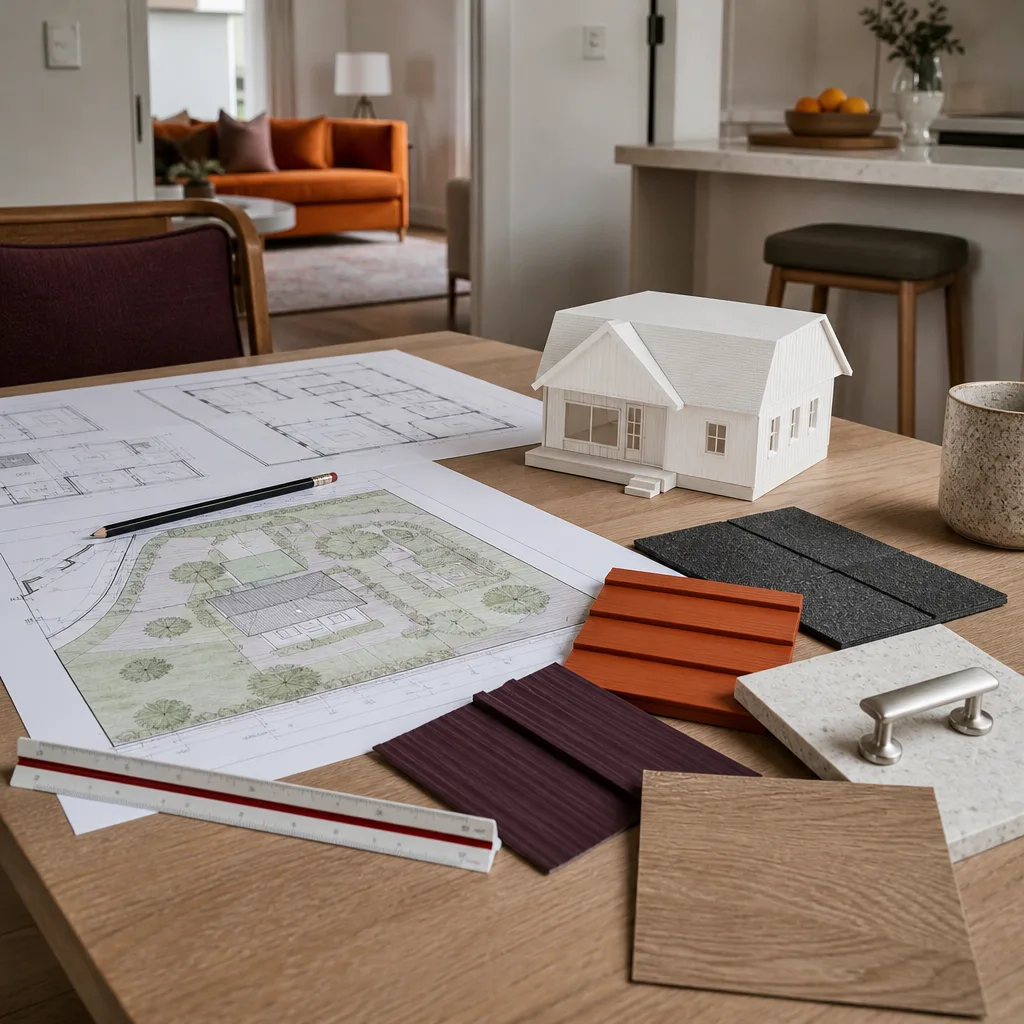
Most San Jose homeowners we meet fall into one of two camps. Either they have a rough idea they want an ADU but no clue whether their sloped backyard in Almaden Valley or their narrow lot in Willow Glen will pass city setbacks, or they have already been told “no” by another contractor and want a second set of eyes with better tools. If any of the following sounds like you, an assessment is the right first step.
- Your lot is sloped, terraced, or backs up to a creek. Cambrian, Almaden, and the east foothills have serious grade changes. We check slope stability, retaining needs, and drainage paths that flat-lot homeowners never think about.
- Your garage sits close to the property line. San Jose code has specific setback rules for garage conversions. A 2-foot difference in where the wall sits changes whether your project is a simple remodel or a variance fight.
- You suspect soil issues. Parts of San Jose, especially near former orchard land in Berryessa and Evergreen, have expansive clay or high water tables. We test where it matters before foundation plans get drawn.
- You want to reuse an existing structure. Detached garages, old workshops, even Tuff Shed outbuildings can sometimes be converted. We tell you honestly if the bones are worth saving.
- You have an HOA, historic overlay, or odd zoning. Naglee Park and areas near downtown carry layer after layer of rules. We pull the record and check the actual code text before you get emotionally invested.
- Another contractor gave you a vague “should be fine.” “Should be fine” is how families end up $20,000 deep in rework. We put our findings on paper.
Our Site Assessment Process
Here is exactly how a Lodgewick ADU San Jose site assessment goes, start to finish. It takes about an hour on site, and we hand you a written summary before we pull away.
- Record pull and pre-check. Before we drive out, we review the parcel’s zoning, lot dimensions, any prior permits, and San Jose’s current ADU ordinance language for your specific neighborhood. That means when we walk the lot, we know what we are testing against.
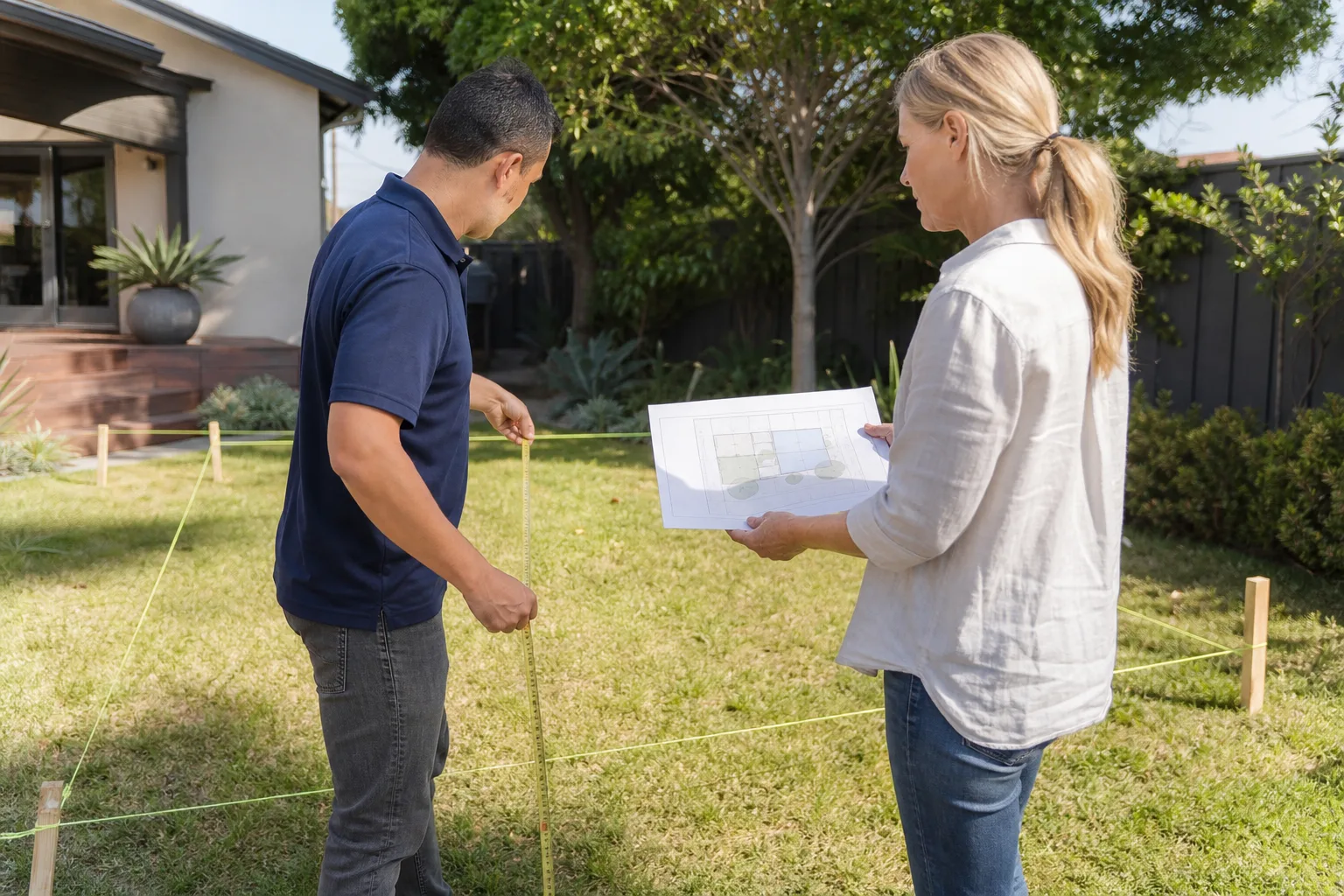
- Physical measure and document. We run the lot perimeter, check side and rear setbacks, measure the footprint of any existing structure, and photograph the key angles. We look at where the gas, sewer, and electrical runs connect to the house and where a new ADU could tie in without trenching across your whole yard.
- Soil and drainage check. We do a visual soil assessment and note drainage patterns, slope direction, and where water pools after a rain. If the lot warrants it, we recommend a geotechnical report from a partner engineer and tell you what that costs before you commit.
- Feasibility call with the city. We know the San Jose building and planning staff well. When a project sits in a gray zone, we call them, describe the lot honestly, and ask the permitting questions before plans are drawn.
- Written summary and next-step price. You receive a one-to-two page summary with the facts we found, what it means for your ADU, and an exact written price for the design and permit work if you choose to move forward. No verbal estimates, no “we will figure it out later.”
Even if we find blockers, you will know exactly what they are and what fixing them would cost. That is the whole point of the assessment.
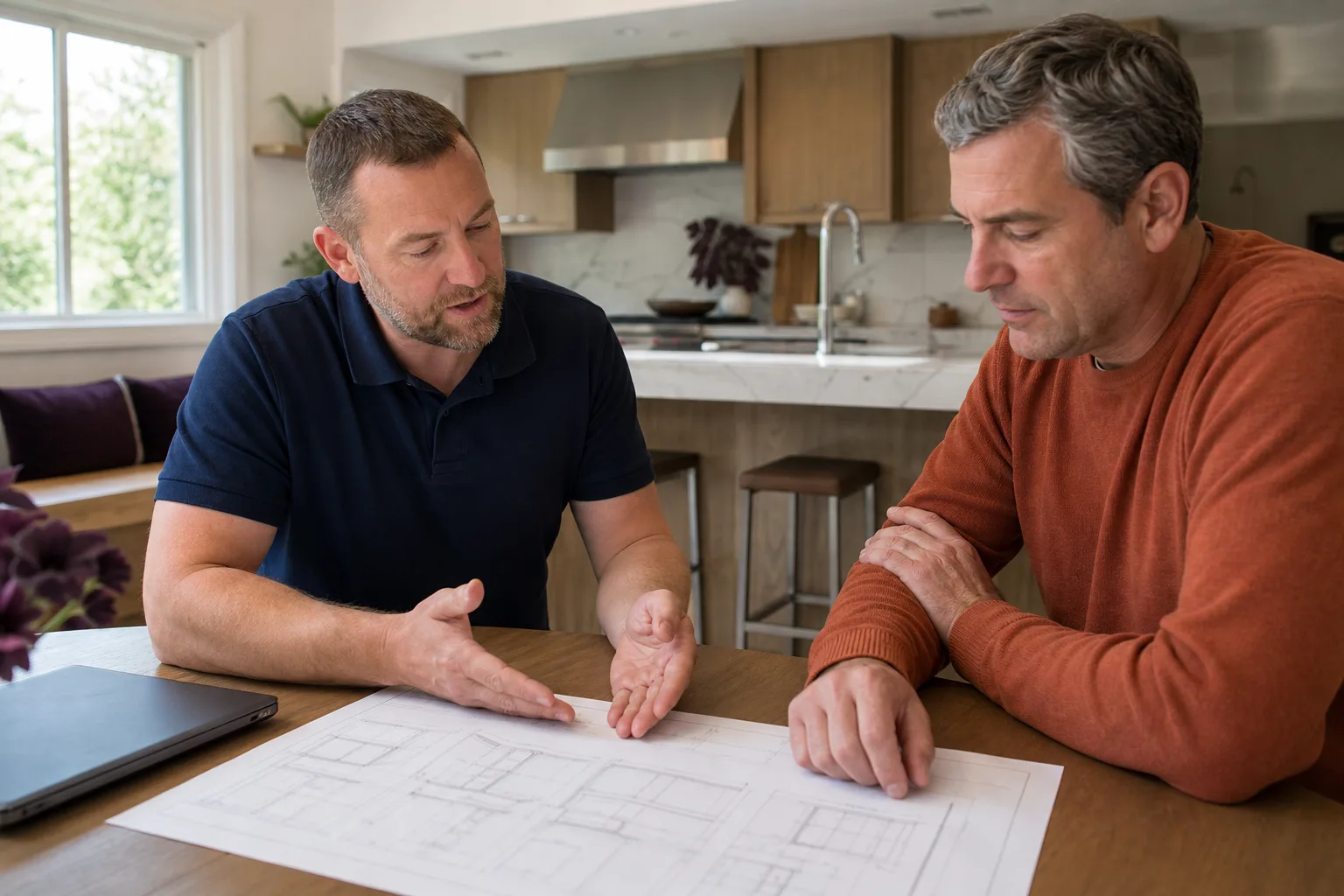
Site Assessment Pricing in San Jose
We will not make you call just to get a ballpark. Here is what site assessment work actually costs in San Jose right now.
| Assessment type | Typical range | What it includes |
|---|---|---|
| Standard residential lot, flat or gently sloped | $150 – $300 | Record pull, on-site measure, setback check, utility review, written summary |
| Complex lot (steep grade, creek, odd shape, historic district) | $300 – $500 | Everything in standard, plus drainage analysis and a preliminary grade/slope feasibility note |
| With geotechnical (soil) report from partner engineer | $1,800 – $3,500 | Full engineer’s report on soil bearing, expansion, and foundation recommendations; cost depends on lot size and access |
| Existing-structure conversion feasibility (garage, workshop) | $200 – $400 | Structural visual inspection, foundation and framing condition check, code-compliance review for adaptive reuse |
What moves the price? Hill lots in the east foothills take more time to walk and measure than a flat parcel off Bascom Avenue. Access matters: if our crew has to navigate a narrow alley in downtown or work around an occupied tenant unit, that adds time. And when a survey or engineering report becomes necessary, that is a separate line item we quote before ordering anything.
For most homeowners, the assessment fee comes off the design package if you proceed with us. So the $200 assessment is not a separate sunk cost, it is a down payment on getting it right. Call (669) 266-4319 and we will schedule a free phone consultation, give you an honest range over the phone, and confirm the on-site date.
What a San Jose Site Assessment Actually Tells You
A good assessment answers four practical questions. We will expand on each so you can see what the written summary looks like in practice.
Can you build an ADU on this lot at all?
San Jose updated its ADU rules in 2020 and again in 2023 to align with California state law, which effectively legalized ADUs on most single-family lots. But “most” is not “all.” Corner lots sometimes trigger different front-yard setback math. Lots within 100 feet of a creek fall under a different layer of rules. Homes in the city’s historic districts, mostly around Naglee Park and Hensley, may need design review. We check these before you pay for drawings.
Where on the lot can it go?
The classic San Jose backyard is long and narrow. You may have room for a 750-square-foot unit, but only if it is placed in a specific corner and only if the existing deck comes out. We walk the actual space with a tape measure, not a satellite image, and mark the realistic building envelope in plain language. Some homeowners imagine a unit at the back fence line and learn that a 30-foot rear-yard ADU placement would block their sewer cleanout. Better to know now.
How will utilities connect?
Electricity is usually straightforward because San Jose Clean Energy and PG&E service areas vary by address, but the connection points are predictable. Gas is thornier. San Jose has had an electric-leaning building code push in recent years, and many new ADUs are all-electric. Sewer is the big one. The depth and run of your existing sewer lateral determine whether a new ADU can tie in at grade or needs a pump. We have seen $2,000 of plumbing difference in identical-looking lots. The lot tells us.
What will it realistically cost to build?
This is the question underneath every other question. Based on the lot conditions, the placement, and the utility work, we give you a working construction range, not a fantasy. We have built enough ADUs in San Jose to know that a flat-lot conversion in South San Jose starts in one band, while a hillside new-build with retaining walls in the east foothills lands in another. If you are considering a prefab unit from a company like Abodu or Plant Prefab, we will tell you honestly whether your lot has the crane or panel access those systems require. Some San Jose lots do not, and that changes the math.
San Jose Rules Worth Knowing Before Your Assessment
You do not need to become a code expert. That is our job. But knowing a few city-specific facts will make the assessment walk more useful for both of us.
- State density law changed the game in 2024. California’s 2024 housing law changes allowed more units on a parcel in many cities, and San Jose’s ADU policies have kept expanding. The practical takeaway: lots that looked unbuildable five years ago may work now. We check current code, not memory.
- Setbacks vary by structure type. Detached new-construction ADUs in San Jose usually need 4-foot side and rear setbacks. Attached conversions have more flexible rules. The city also has relaxed rules for converting existing garages, which is why garage conversions are so popular in Willow Glen and West San Jose. The exact numbers depend on your specific parcel and structure.
- Parking has mostly stopped being a blocker. San Jose no longer requires new off-street parking for ADUs in many situations, especially when the property is within a half-mile of transit or when the ADU is a garage conversion. That one change has unlocked hundreds of previously stuck projects.
- Tree protection is real in San Jose. The city has tree preservation rules, and significant heritage trees or protected species can affect ADU placement. We note any protected trees during the assessment and flag if an arborist review will be needed.
None of this is meant to scare you off. It is the opposite. Knowing the rules means your project does not stall in plan check for six months. The assessment is how we find the rule that applies to your lot and design around it from day one.
Why Homeowners Choose Lodgewick ADU San Jose for Pre-Construction Work
Site assessment is not flashy work. It is the thing that saves you from expensive mistakes, and it is where our Kingswell guarantee culture shows up most clearly. Here is what that looks like on the ground.
Written price first, always. Before you sign anything, you know what the assessment costs. Before any design work starts, you know what that costs. Before construction begins, you have a written number. No door-knock surprise pricing, ever.
The 365-Day Done Right Promise, by name. Our guarantee is in writing on every project. If we missed something during the assessment or during the build that surfaces within 365 days of completion, we come back and fix it. Free return visit, no argument, no fine print. That promise applies to the build and to the work we do leading up to it.
Background-checked, uniformed technicians. The person walking your San Jose backyard is someone you can identify and trust. We screen every crew member, and they show up in a Lodgewick uniform with a name tag you can read.
A live person answers, 24/7. Call at 11 p.m. with a question about your assessment report and a person picks up. Not a voicemail, not a bot. That is a Kingswell standard we have held since 2010, and it still surprises people.
Real material knowledge. When we recommend a build approach, we are matching your lot to actual systems, not a sales pitch. We work regularly with James Hardie siding for San Jose’s fire-hardening zones and we have assessed lots where a Plant Prefab panelized system saved real money versus stick-built. We tell you which path fits your lot and budget, not which one pads our margin.
What Happens After the Assessment
The assessment is the front door, not the whole house. Here is the natural progression for San Jose homeowners who move forward with us after the site walk.
- Design phase. We take the assessment findings and begin the actual ADU design. This includes floor plans, elevations, and the structural and energy details San Jose plan check will want to see. Our ADU Design & Permitting team handles this in-house.
- Permit submission. We prepare the full permit package and submit to San Jose’s planning and building department. We track it through plan check, answer the city’s questions, and push to get approval without the homeowner chasing anyone.
- Pre-construction. The written construction price comes before any build starts, based on the design documents, not a guess. You approve the number, we lock it in, and we give you the arrival window for the first day of work.
- Build and closeout. Construction happens under the same standards: uniformed crew, clean job site every day, and the written guarantee handed over at the end. You get a walkthrough, and anything that is not right gets fixed inside the guarantee period.
If the assessment reveals a blocker that makes the project unworkable, we tell you on the spot and we do not sell you a design package anyway. That honesty is part of the Kingswell Way: say the truth before the work, not after you have cashed the check.
FAQs – Site Assessment
How much does a site assessment cost in San Jose?
A standard San Jose site assessment runs between $150 and $300 for a typical flat or gently sloped single-family lot, and $300 to $500 for complex lots with steep grades, creeks, or historic-district overlays. If a geotechnical soil report becomes necessary, that adds $1,800 to $3,500 depending on lot size and access. When you proceed with our design package, the assessment fee is credited toward the work. Call (669) 266-4319 and we will give you a specific number for your lot over the phone.
How long does an ADU site assessment take?
The on-site walk usually takes about an hour, and you get the written summary within two business days. For complex lots with steep terrain or multiple existing structures, the physical walk can stretch to ninety minutes, but we will tell you the expected time when we schedule. The record pull and city check happen before we arrive, so we are not wasting your time reading parcel data on your driveway.
Do I need a site assessment if I am using a prefab ADU?
Yes, and it can be even more important with prefab manufacturers like Abodu or Plant Prefab because crane access, panel staging, and foundation tolerances are stricter than for stick-built. We have walked San Jose lots where a prefab unit fit beautifully and others where the street access made delivery costs jump by several thousand dollars. The assessment tells you which manufacturer and system your lot can actually handle before you sign a purchase agreement.
What if the site assessment shows my lot cannot support an ADU?
You will know that before spending money on design or permits, which is exactly the point. In many cases, the assessment finds a workaround: a smaller footprint, a different placement, or a garage conversion instead of new construction. When a true blocker exists, we say so plainly and hand you a written explanation you can take to any other contractor. We do not charge for a second assessment if the first one missed something that was discoverable. Call (669) 266-4319 and we will talk through your lot’s specifics.
Is a site assessment required before ADU design?
Not legally, but skipping it is how homeowners pay for plans that cannot be built. We require our own assessment before we start design drawings because design without site facts is guesswork. The $150 to $500 you spend on the assessment consistently saves thousands in design rework and permit rejections, and it rolls into the design cost if you move forward with Lodgewick.
Ready for straight answers about your San Jose property? Call Lodgewick ADU San Jose at (669) 266-4319. We will schedule your site assessment, give you a written summary of exactly what your lot can support, and put the next price in writing before any work begins. A live person answers, 24 hours a day.
Written by Russ Delmar, Owner at Lodgewick ADU San Jose, serving San Jose.